Lacto-Fermentation
Wild fermentation is proof that magic exists. After I began cooking professionally but before I really knew anything, I heard about this mysterious process called lacto-fermentation. To be frank, I didn’t really understand (having only just learned about aromatics). I knew it had to do with pickles, and I assumed it required a lot of skill - frequent calculated interventions and precise movements, that sort of thing.
Lacto-fermentation is the process behind such timeless classics as sauerkraut, kimchi, and those deliciously salty pickles from Jewish delis. You may also have heard some influencer peddling it as a panacea for your degraded microbiome (#guthealth).
As it turns out, fermentation happens all on its own. All it requires from a cook is a little setting of the scene, and then…you just stand back and let nature do what it does.
At the most basic level, fermentation is the breakdown of food molecules by microorganisms. That’s bacteria, mold, and yeast. It makes food more digestible and allows us to preserve a highly perishable product for use later in the year. Oh, and it opens the door to a whole new world of sour and other complex flavor possibilities. Umami!
Fermentation is a wide world, but today we’re focusing on lacto-fermentation. Lactic acid bacteria (LAB) are found on all fruits and vegetables (and humans), and under the right conditions, they produce enzymes which convert sugar into lactic acid. They’re anaerobic, and they don’t mind salt: two keys for creating a selective environment.
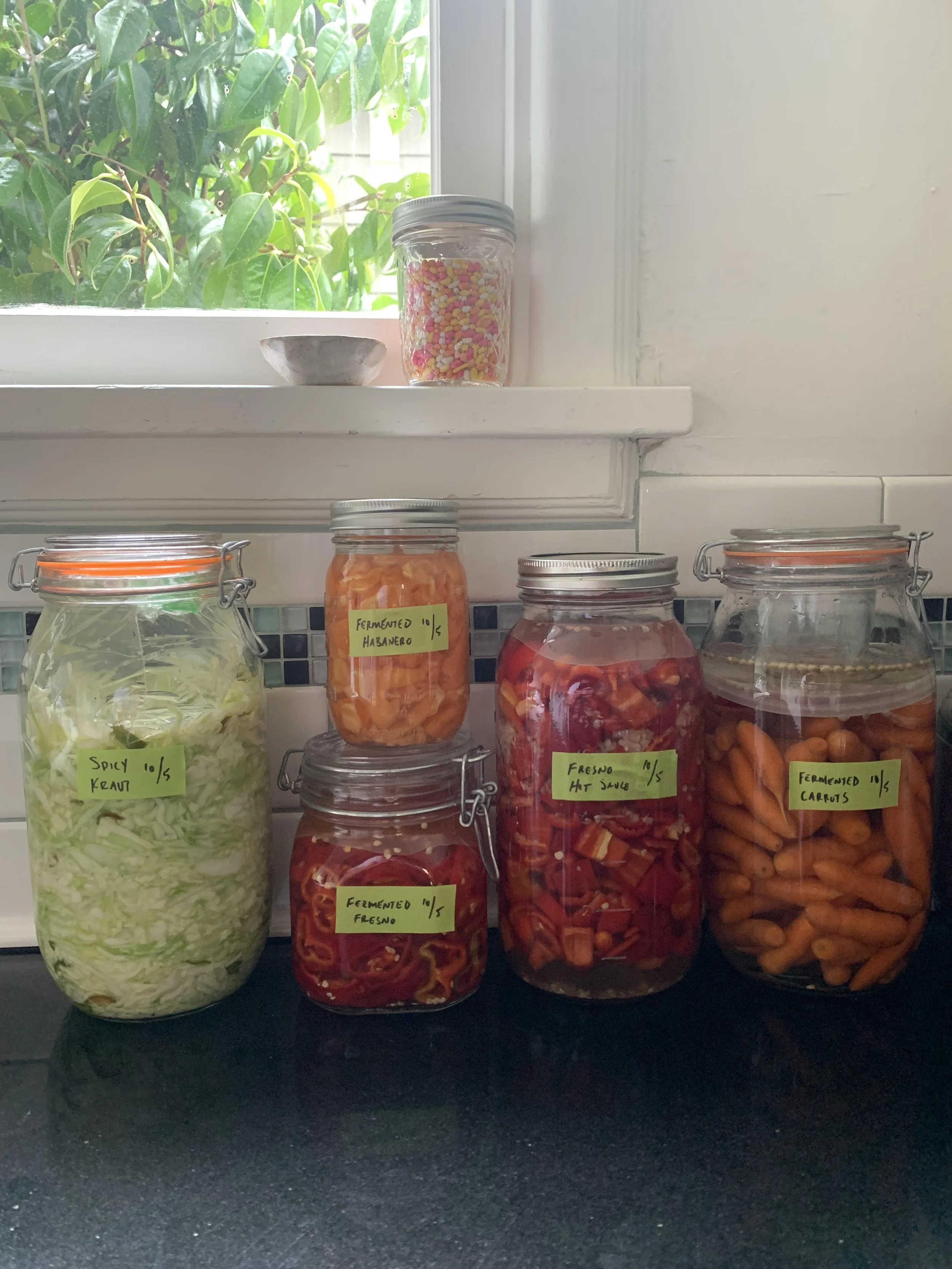
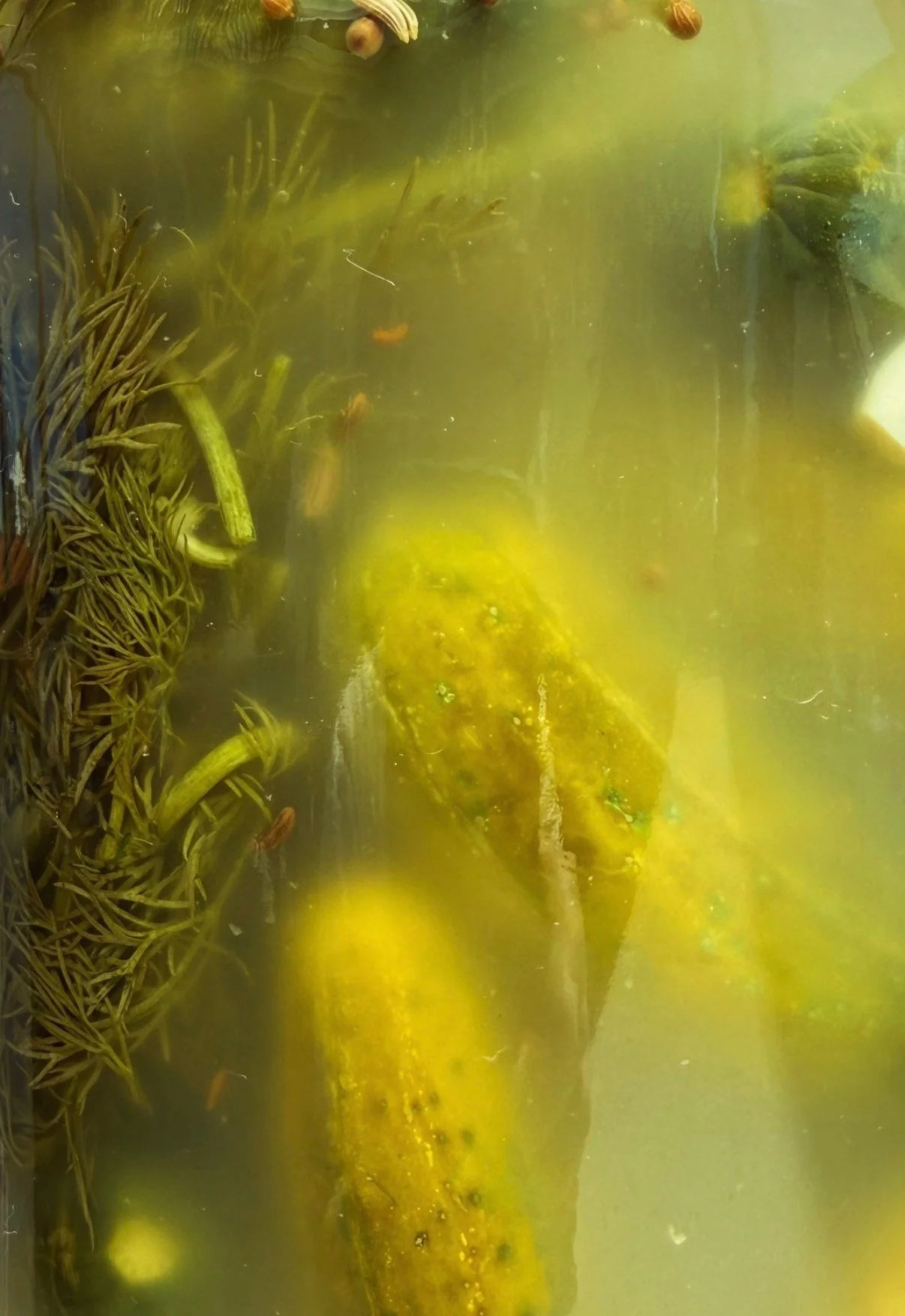
No oxygen. An array of glass jars filled with submerged vegetables - this is what we imagine when we think of pickling. There’s a reason for it: liquid displacement deprives the environment of oxygen so the LAB can work. The absence of oxygen also keeps mold at bay.
3% salt. Salt is the other primary weapon against a host of pernicious invaders. You can go as low as 2% or as high as 4% (depending on your tastes), so 3% by total weight is the baseline I’ve committed to memory. Lately, I’ve been oscillating between 2.5-2.75%.
Then…we wait. And that’s pretty much it. You, yes you, can do it! The process is simple, but there are a few more technical details worth investigating. If you’re interested in the world of fermentation, check out my article and video on the three books you need to get started.
I’m still filled with a sense of wonder and gratitude every time I finish a fermentation project. Just this week, a batch of coriander-spiked carrots that had been sitting on the counter for three weeks went into the refrigerator. “I can’t believe this is real,” I thought. There’s a song by John Craigie called Dissect the Bird. The chorus goes “Oh, you’re doing it wrong, dissecting the bird trying to find the song. It’s a miracle that you’re here at all.”
To be clear, I’m not arguing against scientific inquiry or saying that we shouldn’t examine the world around us. But being alive is a miracle, and I, for one, am prone to taking it for granted, letting it get buried in the frustrating hustle. Fermentation reminds me of the magic all around.
Take a moment to give thanks to the microorganisms, the microscopic creatures who we spend so much time fighting. We can’t live without them. There are some very harmful ones, obviously, but most are just threads in this improbable tapestry, just like we are.
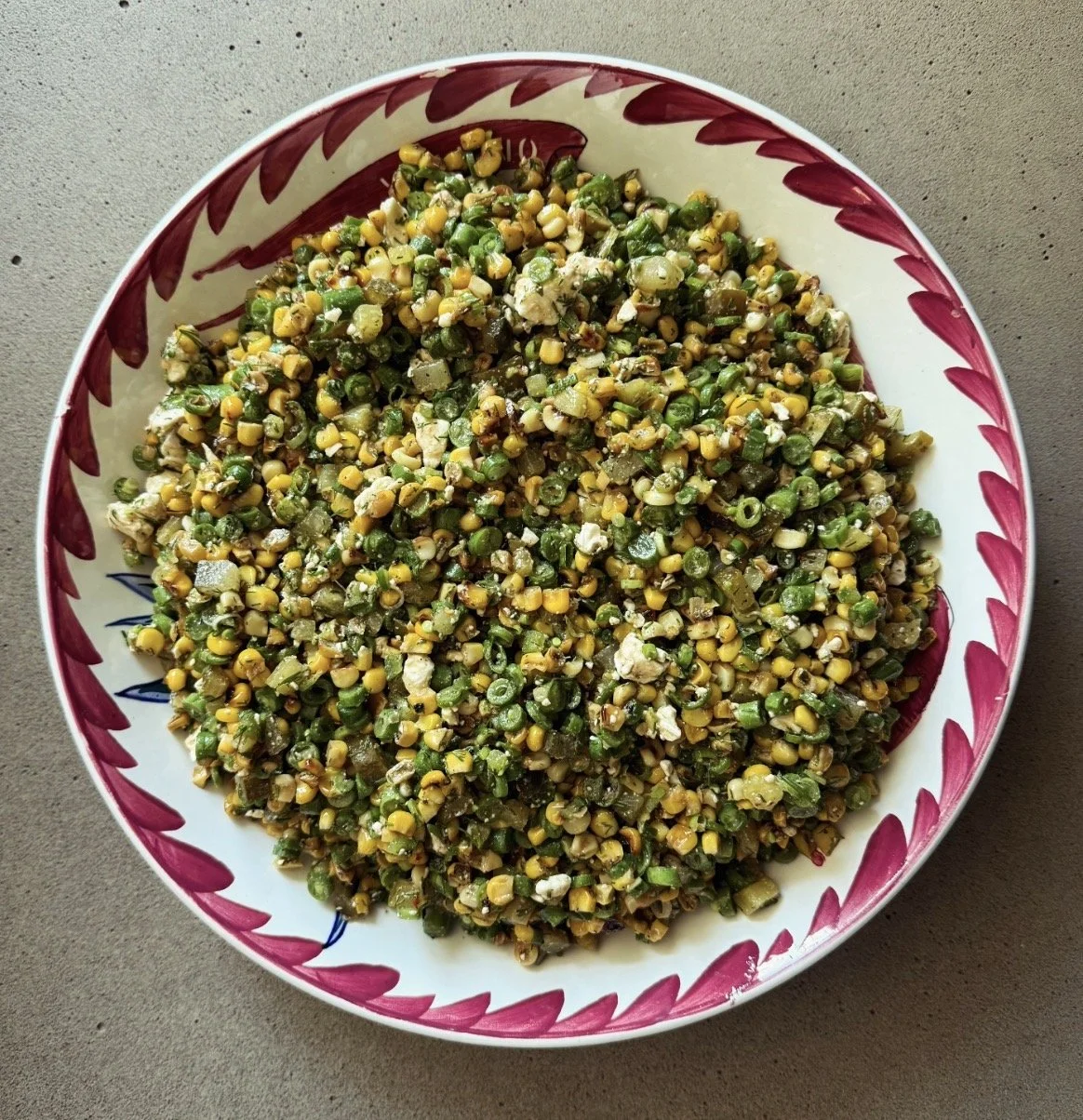
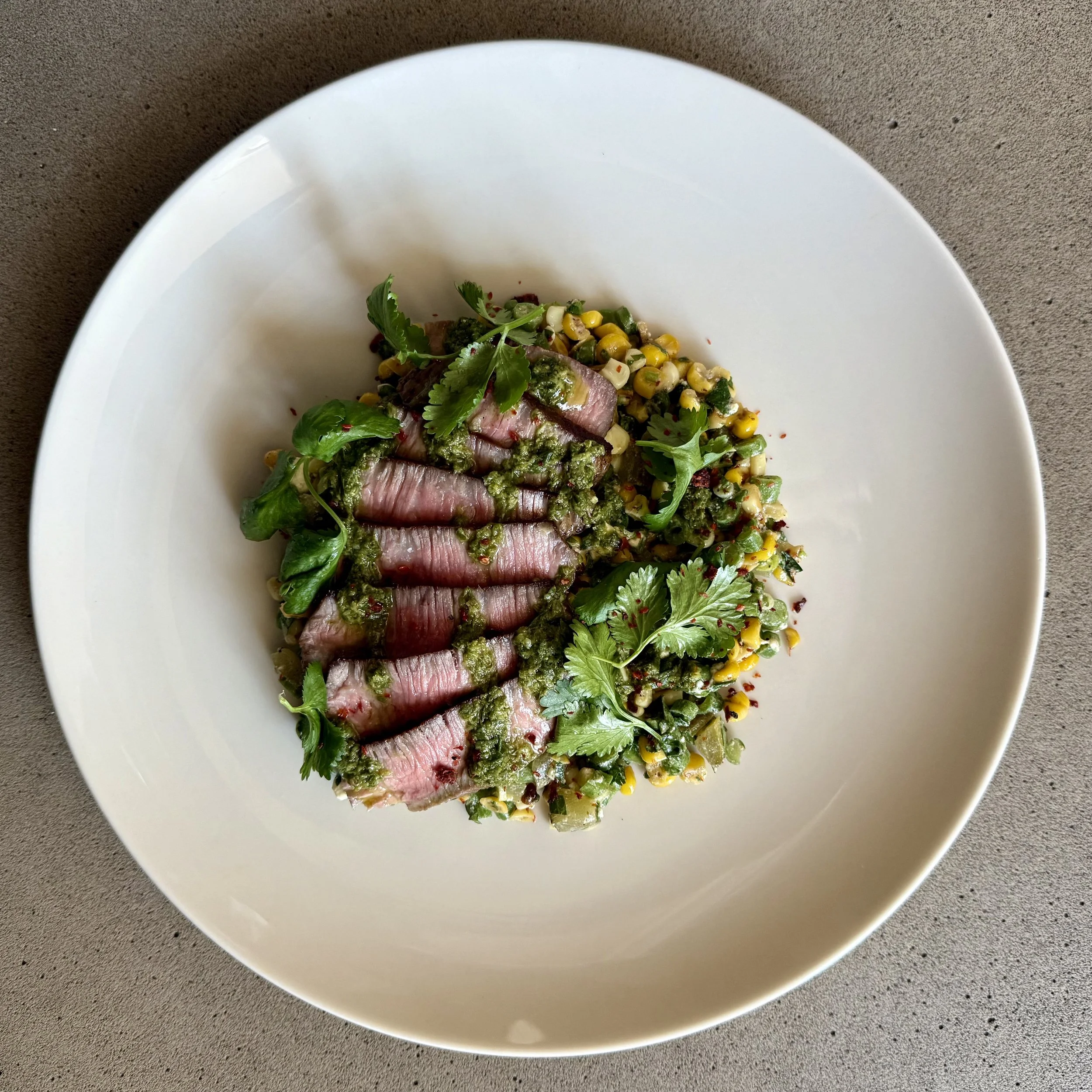
This week we’re serving a summery, punchy spoon salad of grilled corn, feta, dill, and half sour (lacto-fermented) pickles. Giddyup.
We’re glad you’re cooking with us.
Cheers,
Sten and Mac
EXPLORE MORE