Top 3 Books on Fermentation
If you want to ferment foods at home, here are the three books you need to get started.
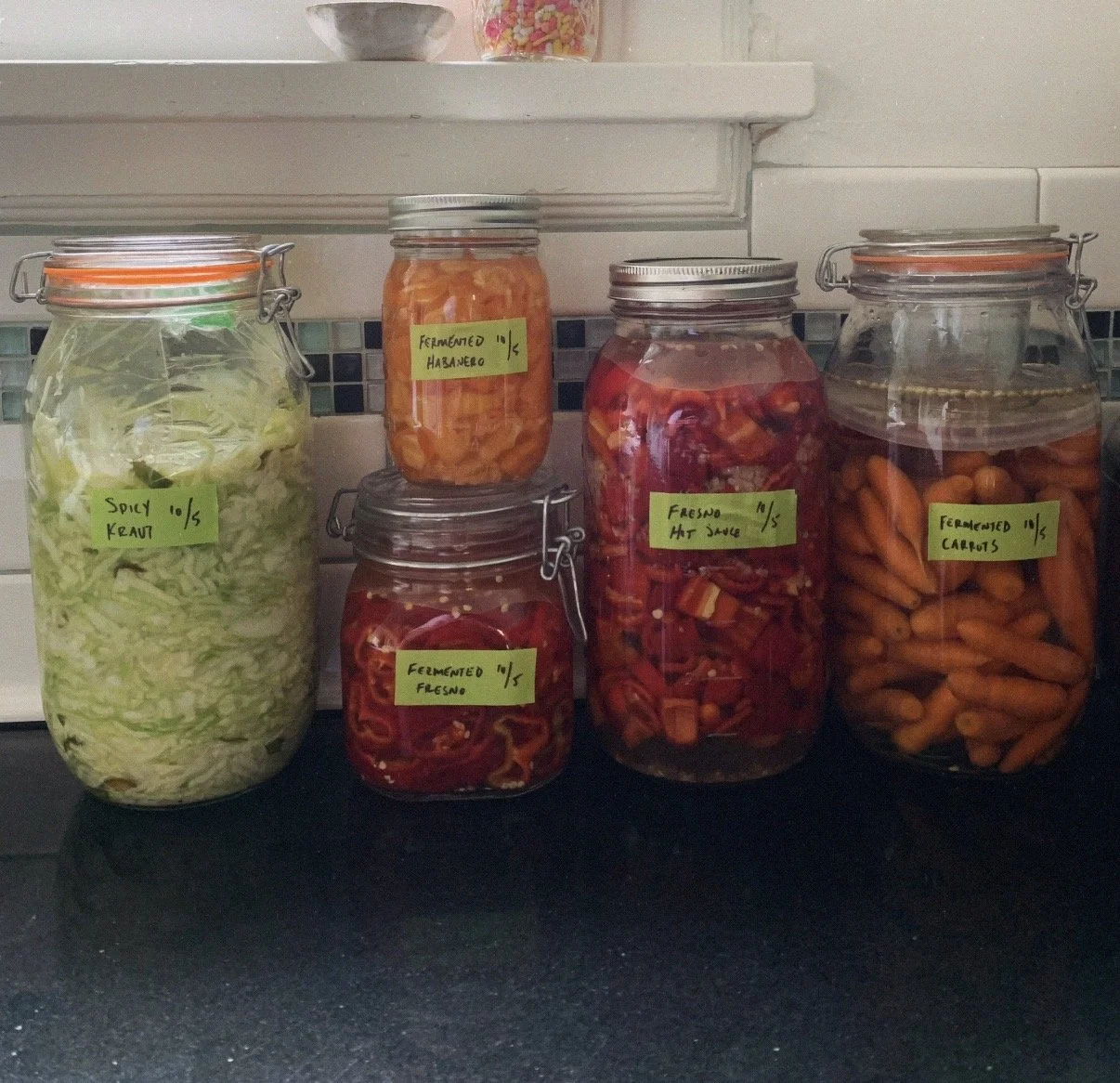
At the most basic level, fermentation is the breakdown of food molecules by microorganisms. That’s bacteria, mold, and yeast - scary, I know. But, that’s why research and preparation are important. As chefs, we’re most interested in the culinary benefits: fermentation opens up a whole new world of sour and other complex flavor possibilities. But it also makes food more digestible and allows us to preserve a highly perishable product for use later in the year. So, what I’m trying to say is that fermentation rocks, and we should all do more of it.
But getting started can be intimidating. I was certainly nervous at first. We now live in a world where most fermentation is done in factories rather than kitchens, and that includes professional settings. What’s insane is that most of our great grandmothers could have shown us how to do all this stuff - no libraries required. But so it goes. Society shifts. We learn new things and forget others. That’s why we need a guide. Today I’m discussing three books that, taken together, provide a comprehensive worldview for starting your own fermentation projects. Now, let’s hit the books, shall we?
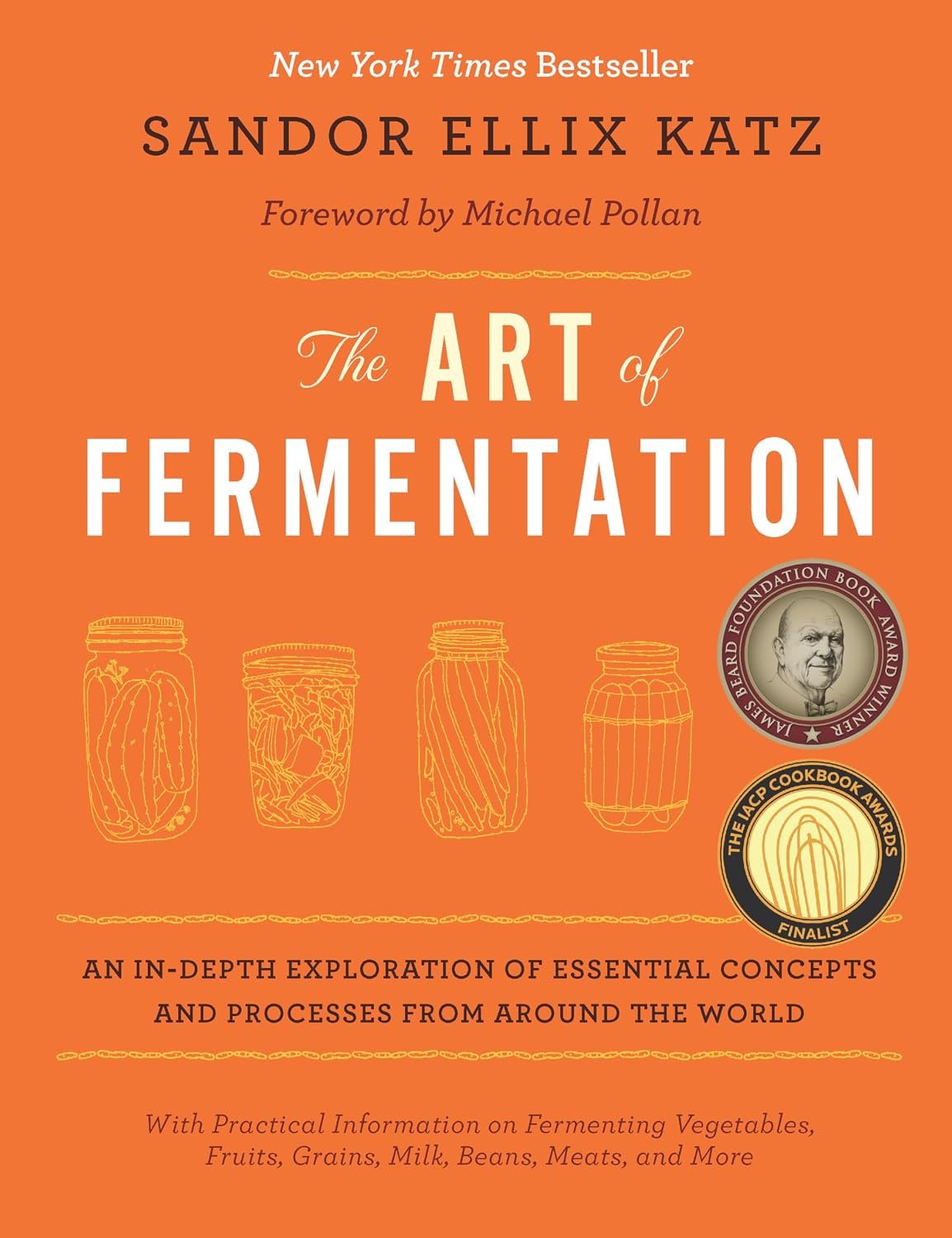
1. The Art of Fermentation - Sandor Katz
The word for this book is comprehensive. It functions like an encyclopedia, covering a staggering array of fermentation techniques from around the world, so it serves as my first point of reference for any new project.
Because it’s so comprehensive, it’s sometimes lacking in specificity. Luckily we have two more books to help us out.
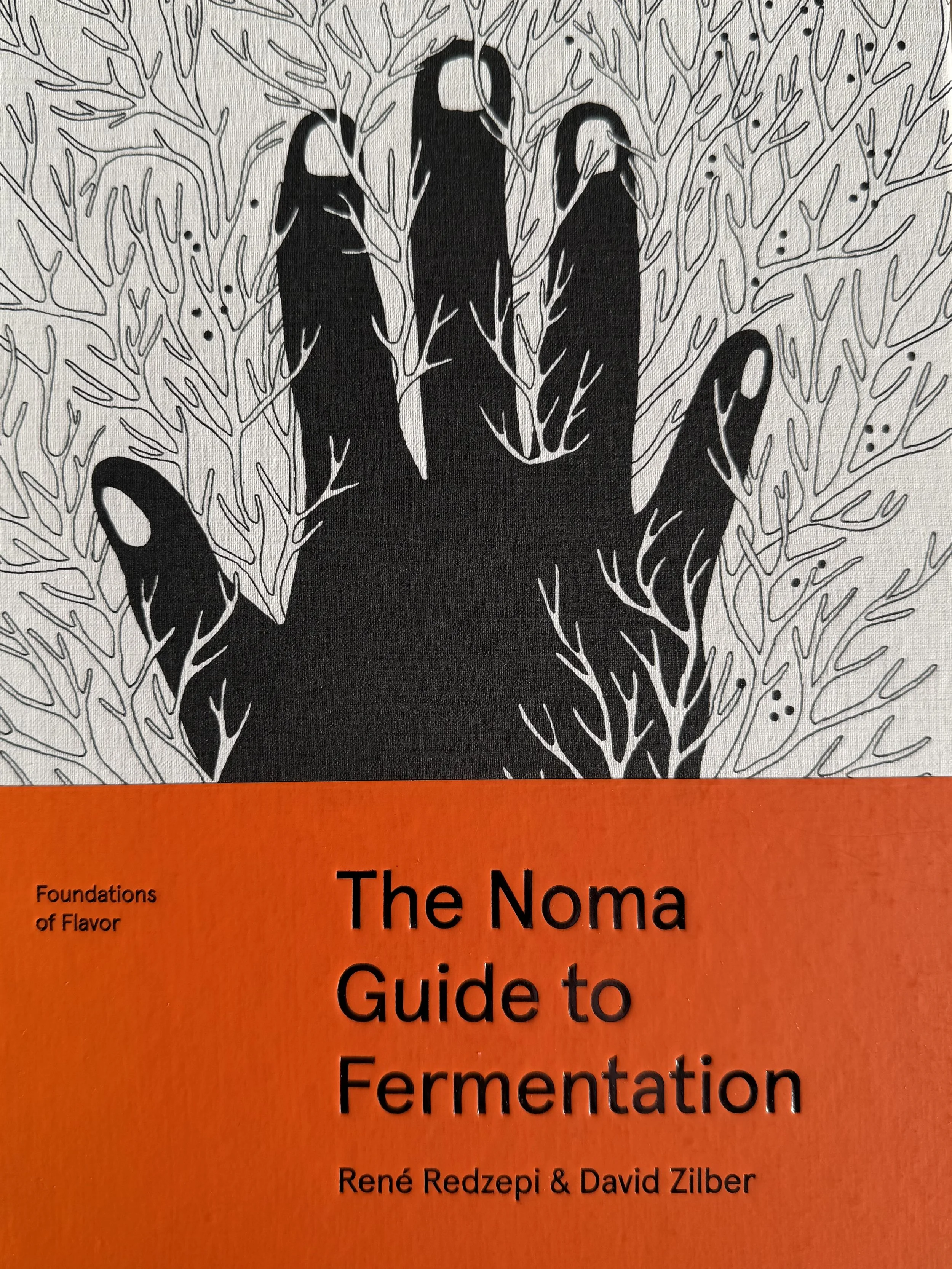
2. The Noma Guide to Fermentation - Rene Redzepi and David Zilber
The word for this book is technical. Noma - the restaurant largely responsible for bringing lacto-fermentation programs into restaurant kitchens - is famous for its manic attention to detail, and it definitely shows here. This book is full of step-by-step, laboratory-worthy instructions.
Because it’s so detail-oriented, it’s sometimes a bit over the top. We don’t need commercial laboratory equipment to make kimchi.
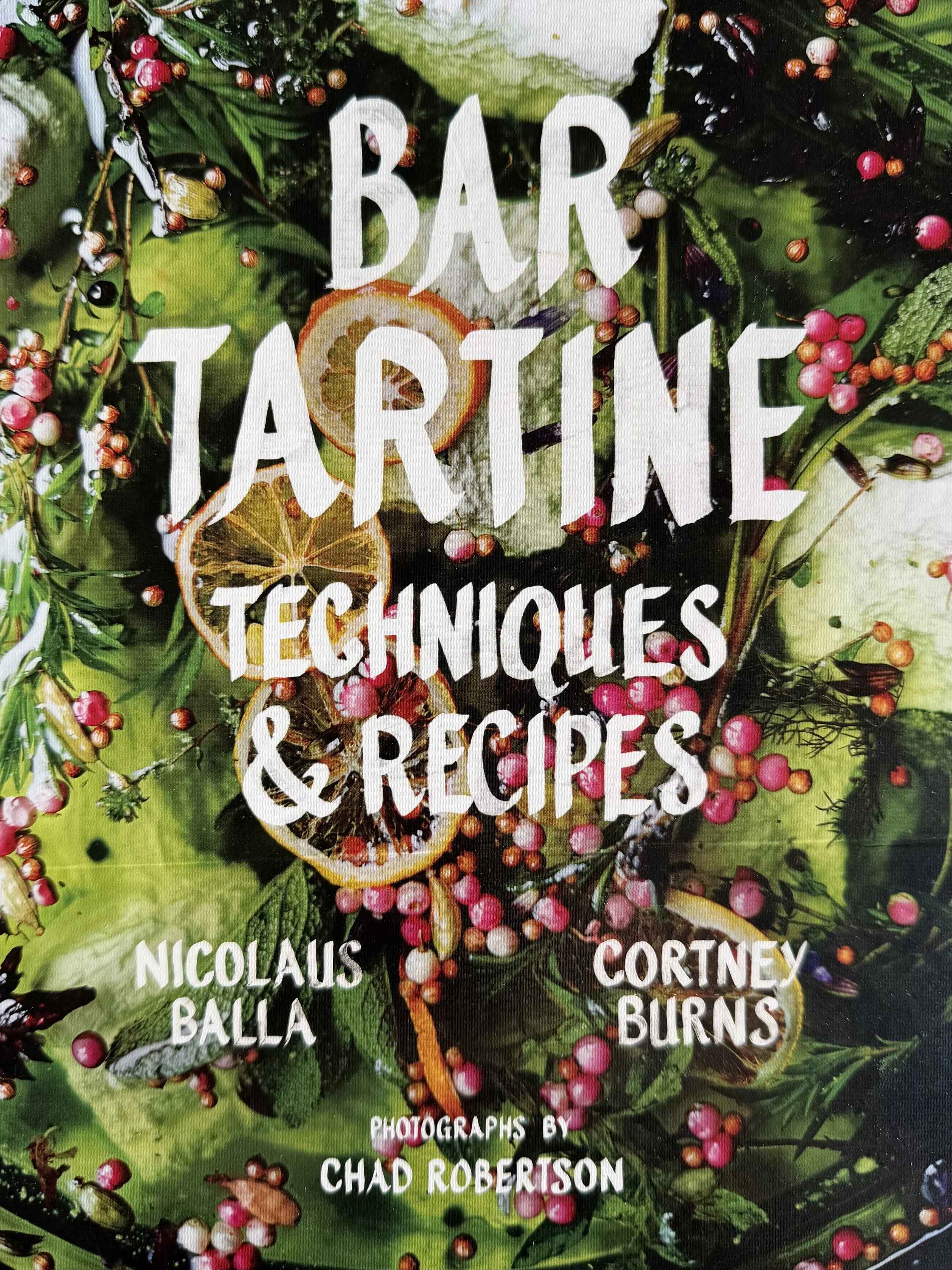
3. Bar Tartine: Techniques & Recipes - Nicolaus Balla & Cortney Burns
By definition, this one’s not really a fermentation book. Rather, it presents a unified kitchen philosophy that includes a lot of fermentation. Once we’ve made all these fermented products, how do we incorporate them into our cooking? That’s the question this book answers.
The Techniques section will likely leave you with a few clarification questions, but that’s why we have the first two books for troubleshooting.
I like to think of fermentation as alchemy: science + magic. It’s called wild fermentation for a reason. Our inputs come from nature, so no two batches are ever exactly the same. That is to say, no matter how regimented our procedures, fermentation never works out one hundred percent of the time. So have fun, and don’t let a little mold get you down.
If you have questions, shoot us an email. And while you’re at it, become an Aster Pantry regular by signing up for our weekly newsletter.
Thanks for cooking with us,
Sten & Mac