Crust
Pie starts with the crust. The dough has only a few ingredients: fat, flour, ice water, and salt. Like most recipes with a short list of ingredients, making it good is about technique. There is, however, some debate over the best fat for the job.
Butter. It’s not a debate. It’s butter all the way. All-butter dough has the best flavor, and it creates diaphanous, flakey layers. When the water in the butter evaporates, the steam puffs up the layers. For advice on other options (lard, shortening), find a chef who’s not from Minnesota.
Don’t overwork the dough. A common cautionary statement. It’s true, yes, the dough will get tough if you keep messing with it. But don’t dwell on this either. Instead we might say stop as soon as the dough feels usable. With practice, you’ll get there with fewer movements.
The refrigerator is your friend. Working with butter isn’t all cute barns and cowbells. It’s difficult to get the temperature right. If the dough gets too soft, pop it back in the fridge for 10 minutes. If it’s too hard to roll out, rest it on the counter for a hot second. Take a deep breath. Be patient.
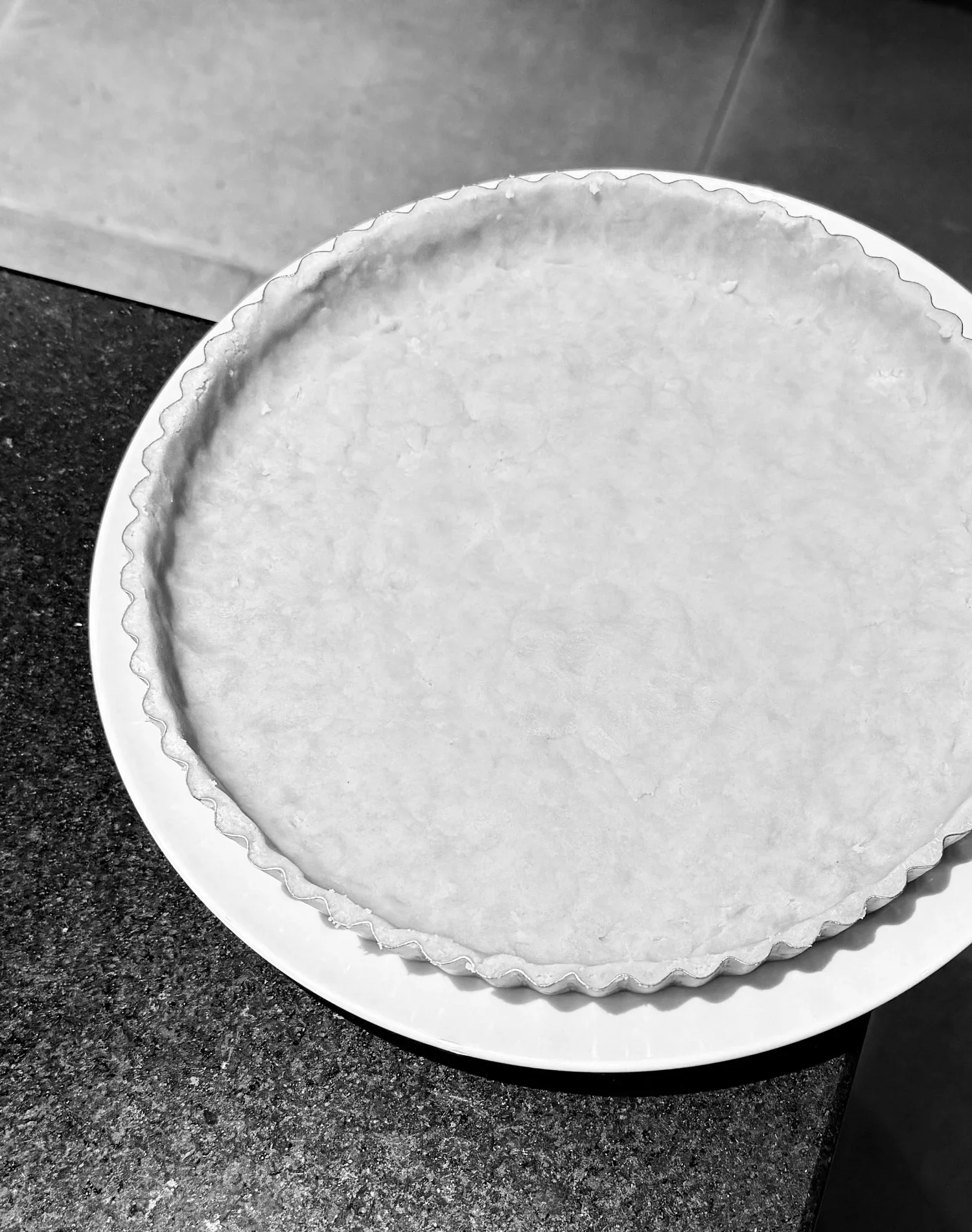
Blind baking. Parbaking helps prevent sogginess. It’s a good idea for liquidy fillings - egg bases, purees, and custards. The empty crust is, however, prone to sagging, puffing up, and otherwise losing its shape. To combat this, chill it before baking and use weights (see tip).
Tarts. Pie’s sophisticated cousin. The filling is unbaked. This allows us to create textural variation by layering cooked and raw ingredients. Once the crust is baked, we can fill it with macerated fruit, pastry cream, frangipane, anything really. Lighter fillings also allow for lighter crusts.
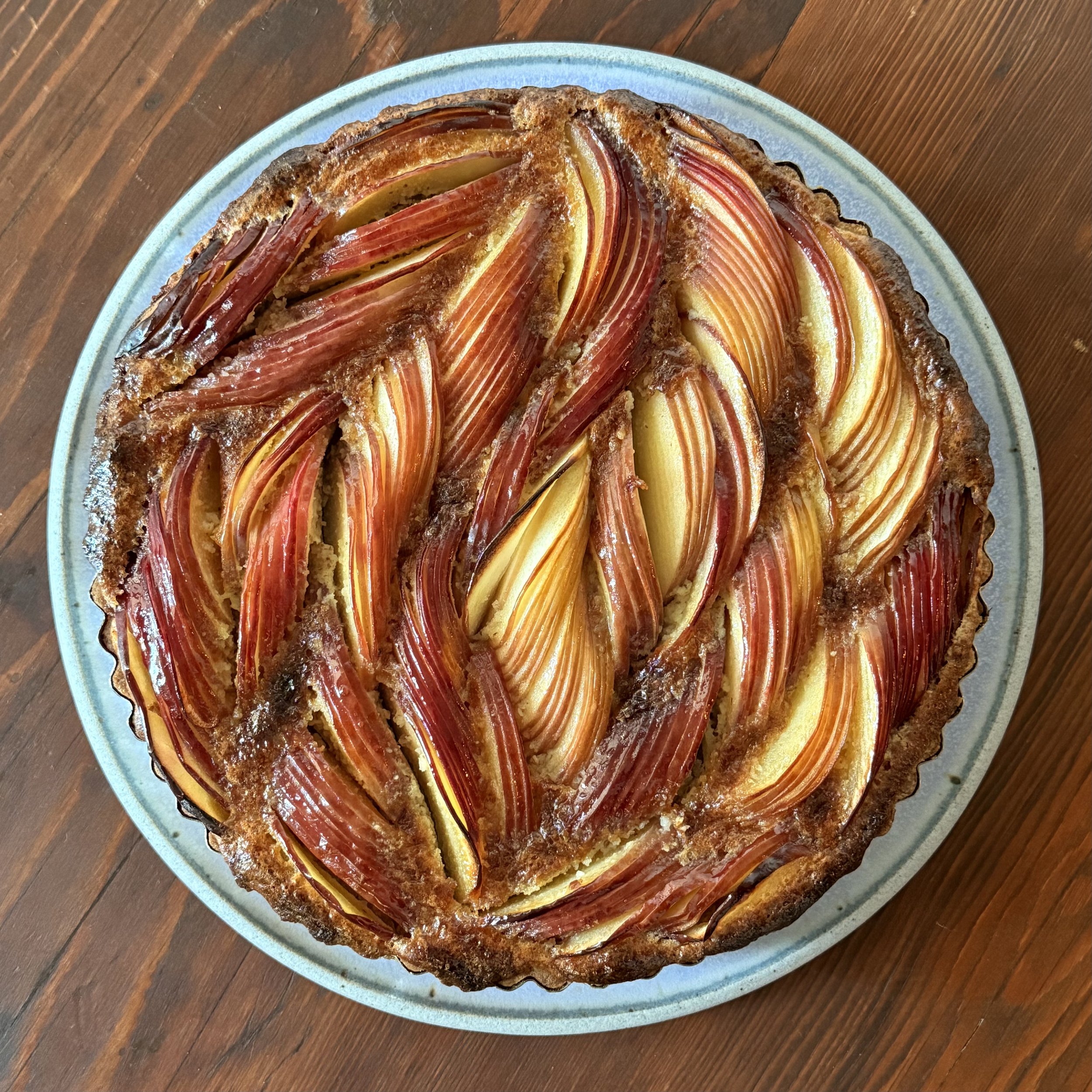
This week we’re making an apple and almond tart with pâte sucrée (sweet shortcrust pastry). Pâte sucrée involves creaming softened butter and then pressing the dough into the pan - a great option if you’re skittish of rolling out dough. Recipe drops on Friday.
Could we make a crustless pie? Eh, probably. I’m not overly fond of pedantic discussions about what something is or isn’t. (Is a tart a pie? Is a hotdog a sandwich? Don’t overthink it.) Without a crust, though, we’d just need another container to deliver the filling.
We’re glad you’re cooking with us.
Cheers,
Sten and Mac
KITCHEN TIP
Use dry beans as weights for blind baking. Don’t buy pie weights. Don’t use dirty loose change like a psychopath (I’ve heard of people doing this). Dry beans can be reused many times, and when they do eventually disintegrate, compost them. Just make sure to put down parchment paper (on top of the crust, under the beans) - otherwise they’ll bake into the crust.
RELATED RECIPES