Mayo
Mayonnaise is global. From burger sauce to California rolls to patatas bravas, nearly all cuisines have adopted this northwest Mediterranean condiment for its smooth, fatty tang.
Let’s clarify what mayo is. Mayonnaise is not a dairy product. Yes, it is white and creamy. It’s an emulsion of olive oil, egg yolk, and an acidic element, usually lemon juice, vinegar, or both.
A brief technical refresher: an emulsion is a mixture of liquids that don’t mix - oil and water. Stabilizing an emulsion requires an emulsifier, and nothing binds unruly liquids quite like egg yolk. Mustard is also an emulsifier, making it a great addition (and why you’ll find dijon in most salad dressings).
The power of mayo lies in its versatility. It provides richness and velvety texture (it’s mostly oil, after all), but its flavor is very mild. Mayo acts as a smooth companion to strong-flavored dishes or a blank canvas for incorporating other flavors.
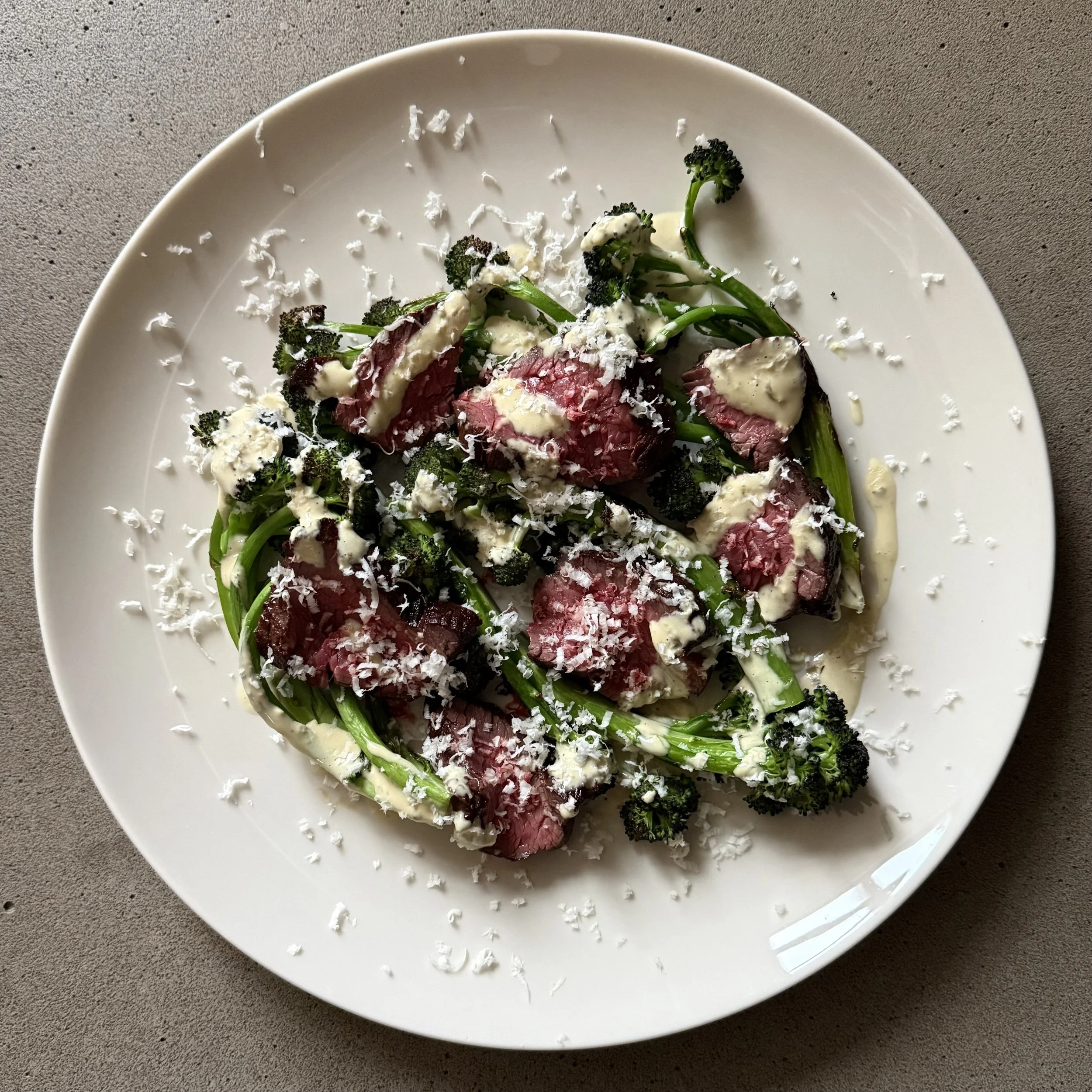
Some of our favorite mayo-based sauces are ranch dressing, Mac’s famous vadouvan aioli, and tonnato (Italian for tuna sauce). This week we’re roasting some purple sprouting broccoli (PSB) and dressing it with tonnato and furikake. Recipe drops on Friday.
Roasted foods. Mayo is a stellar companion for anything roasted, charred, carmelized, or otherwise GBD (golden brown delicious). This includes grilled vegetables and any number of grilled or fried meats.
Aioli versus mayo. Aioli is extra garlicky mayo. OG aioli is a powerful emulsion of just raw garlic, oil, and salt. These days, however, aiolis are emulsified with egg yolks and most mayo recipes call for garlic, so the difference is rather trivial.
Kewpie. Japanese cuisine has fully embraced mayo and features it with rice vinegar. It’s popular on katsu sandos, yakisoba, and karaage (fried chicken). Kewpie, the widespread commercial brand, is our go-to for store-bought mayo. It’s richer and creamier than most prepared mayos because it uses only the yolks (as opposed to whole eggs).
Raw egg safety. We (Mac, myself, every other cook, and all restaurant guests) have been eating housemade mayo for years and years. Unless you’re in a high risk group, buy good quality eggs and don’t worry about it.
We’re glad you’re cooking with us.
Cheers,
Sten and Mac
KITCHEN TIP
Tinned fish is your friend. Anchovies, tuna, sardines, mackerel. The proliferation of tinned fish over the past decade (often in fun technicolor packaging) has made high quality seafood more accessible year round. It’s always nice to stock your pantry with a few favorites for throwing together a quick meal. Some ideas: sardines on toast with aioli and arugula, mackerel on sushi rice with teriyaki sauce and cucumbers, tuna in a spicy tomato linguine with breadcrumbs.
RELATED RECIPES