Yogurt
A well-curated pantry is essential for any cook. Yes, but what does “well-curated” mean? Effective curation is really about balance: threading the needle between variety and clutter.
No two chefs have the same pantry, but there’s a reason Mac and I work together. Anyone cooking with us will notice the regulars: olive oil, pomegranate molasses, miso, apple cider vinegar, anchovies, harissa, and citrus, to name a few. If you’ve got these on hand, your shopping should be pretty streamlined.
This brings me to Greek yogurt. It’s one of only two dairy products in my refrigerator at all times (the other being unsalted butter). It has a wonderful natural acidity. It’s lighter than sour cream. Its thick, creamy texture makes it more versatile than buttermilk (easier to thin something out than to thicken it up). I’ll buy buttermilk if I know I’m making cornbread, but if I forget, I can easily substitute Greek yogurt and water.
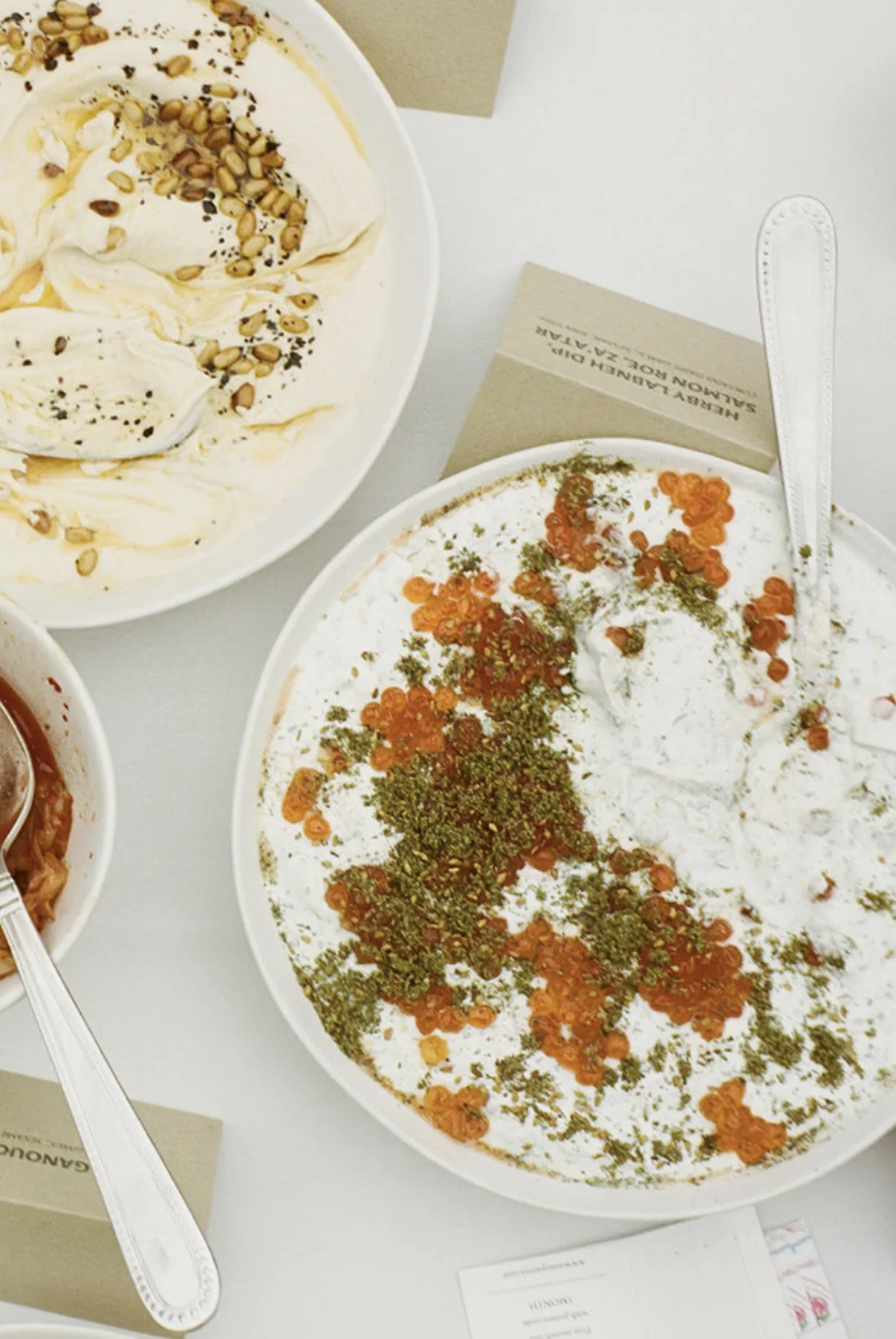
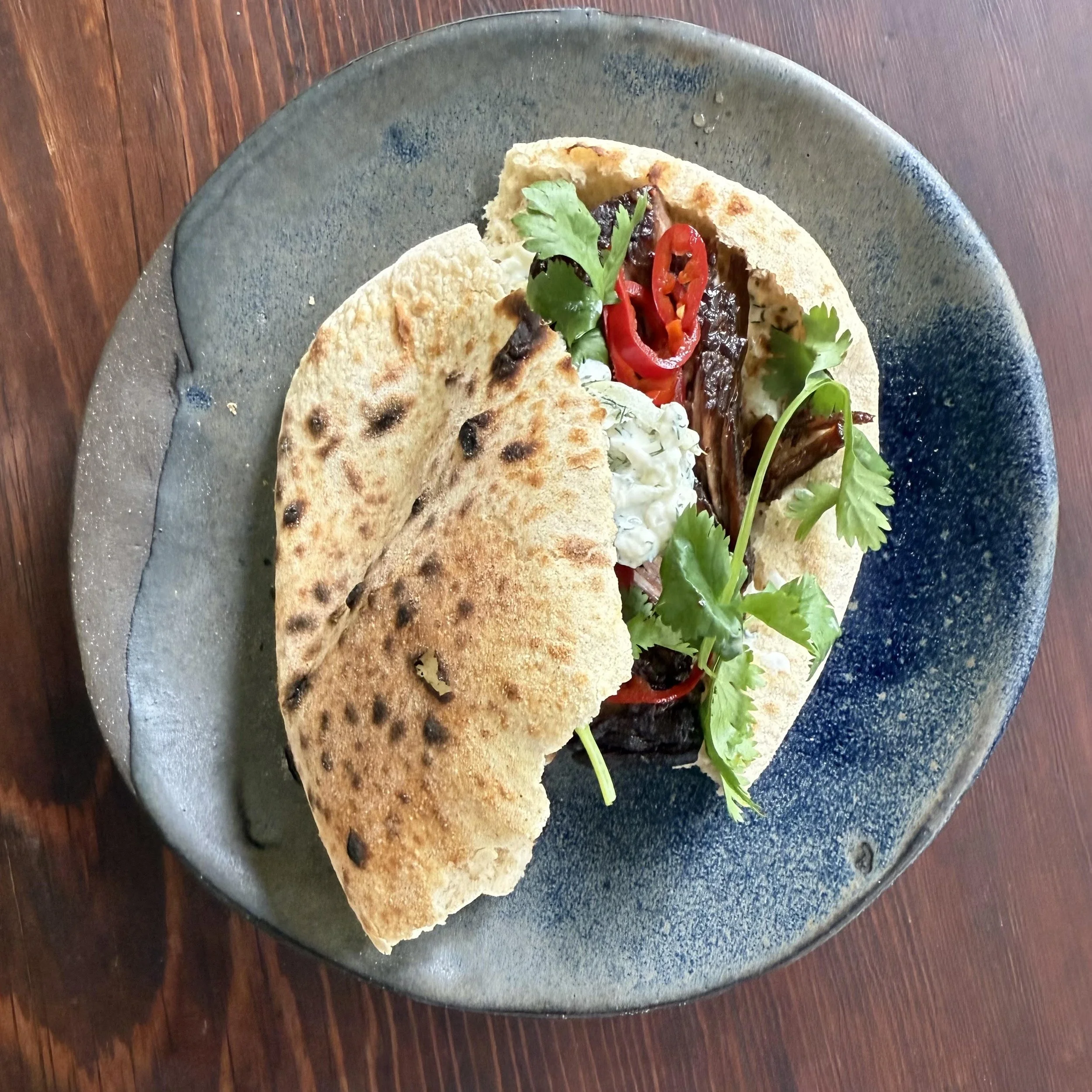
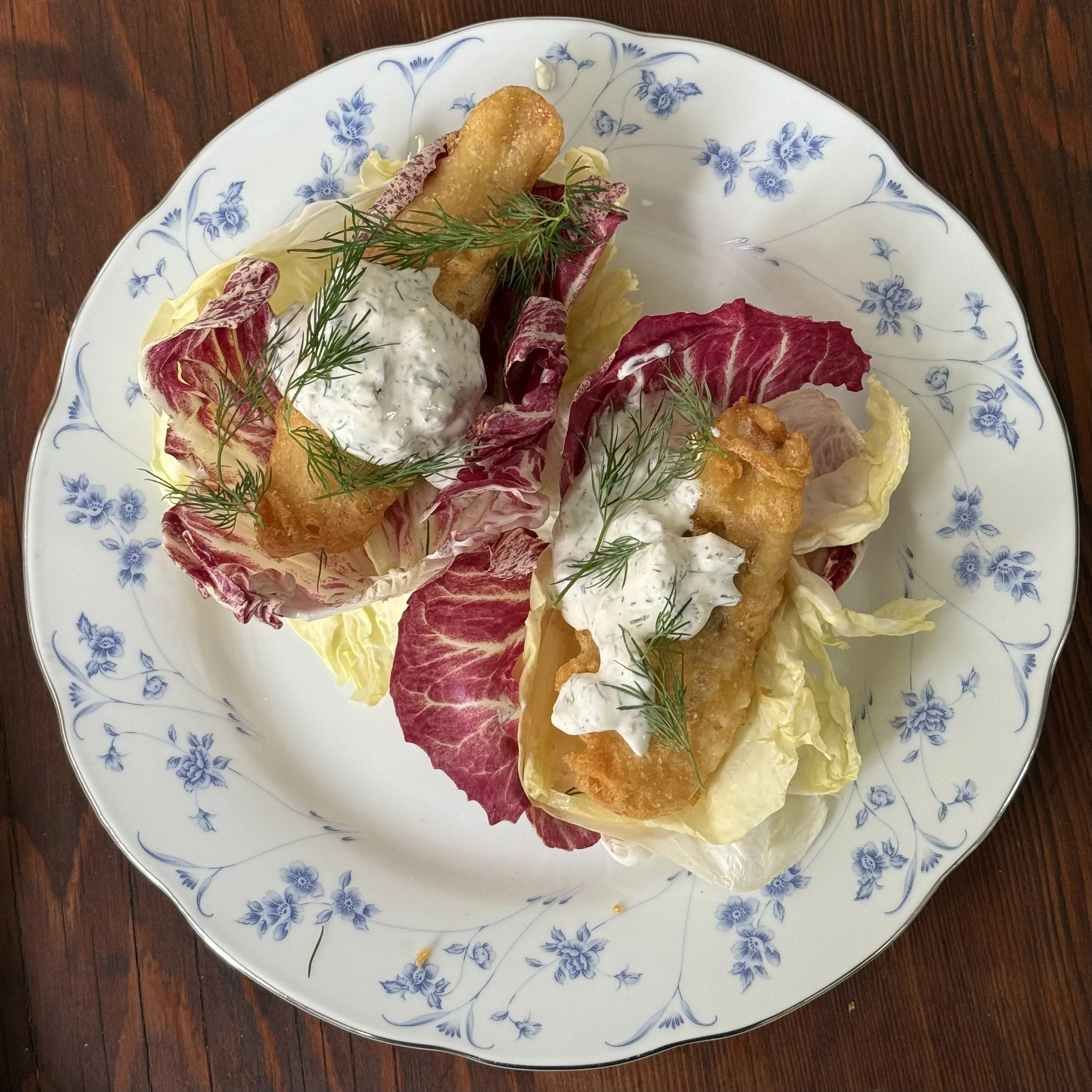
We use Greek yogurt as a foundation for any number of sauces from ranch dressing to tzatziki. It’s super easy to make labneh (strained yogurt that’s a staple of Middle Eastern cooking). Line a colander with a couple layers of cheesecloth and set it over a bowl. Fill the colander with Greek yogurt and put it in the fridge overnight. You’re done. Top it with a drizzle of olive oil, some flakey salt, and a sprinkle of za’atar and you’ve got the best bread dip in the world.
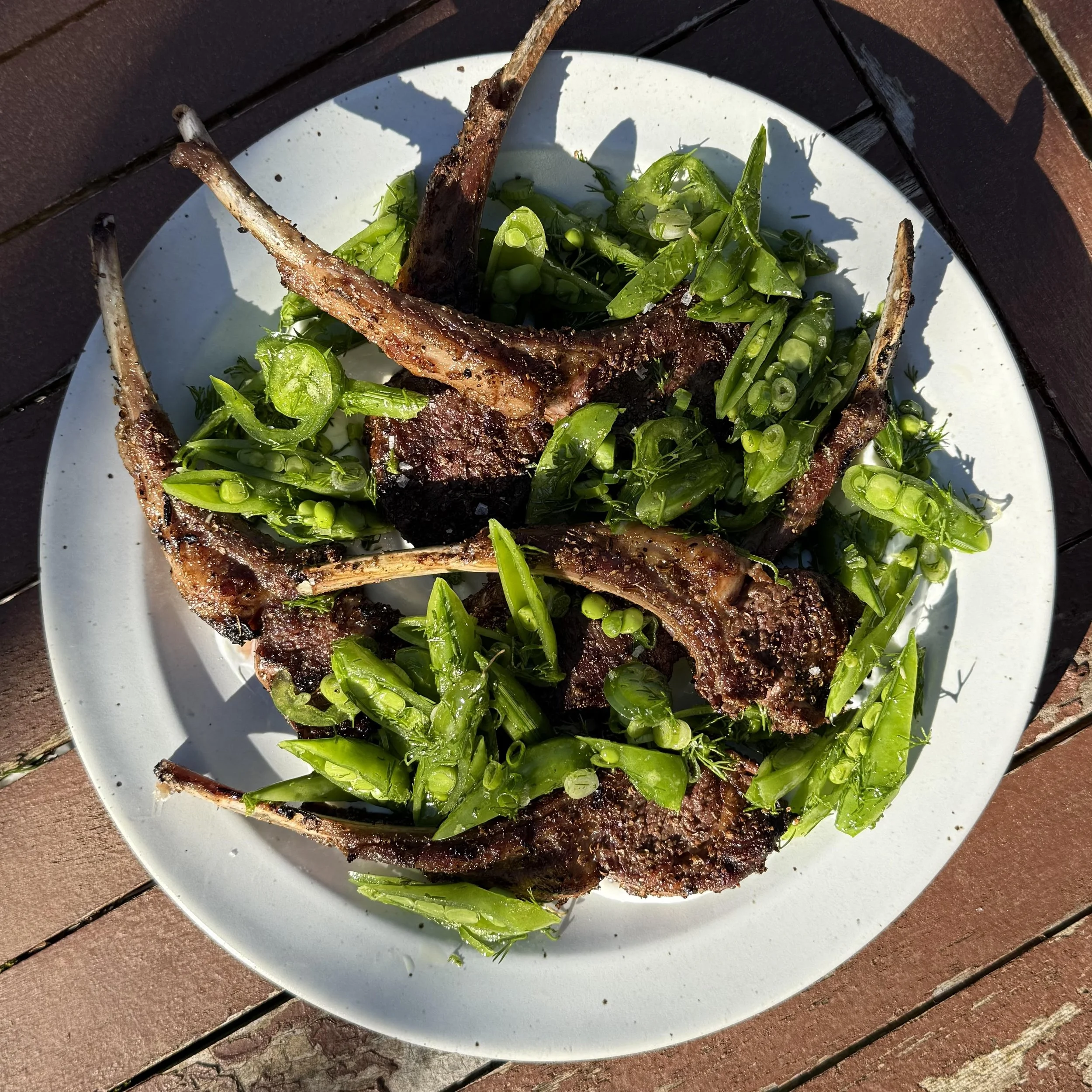
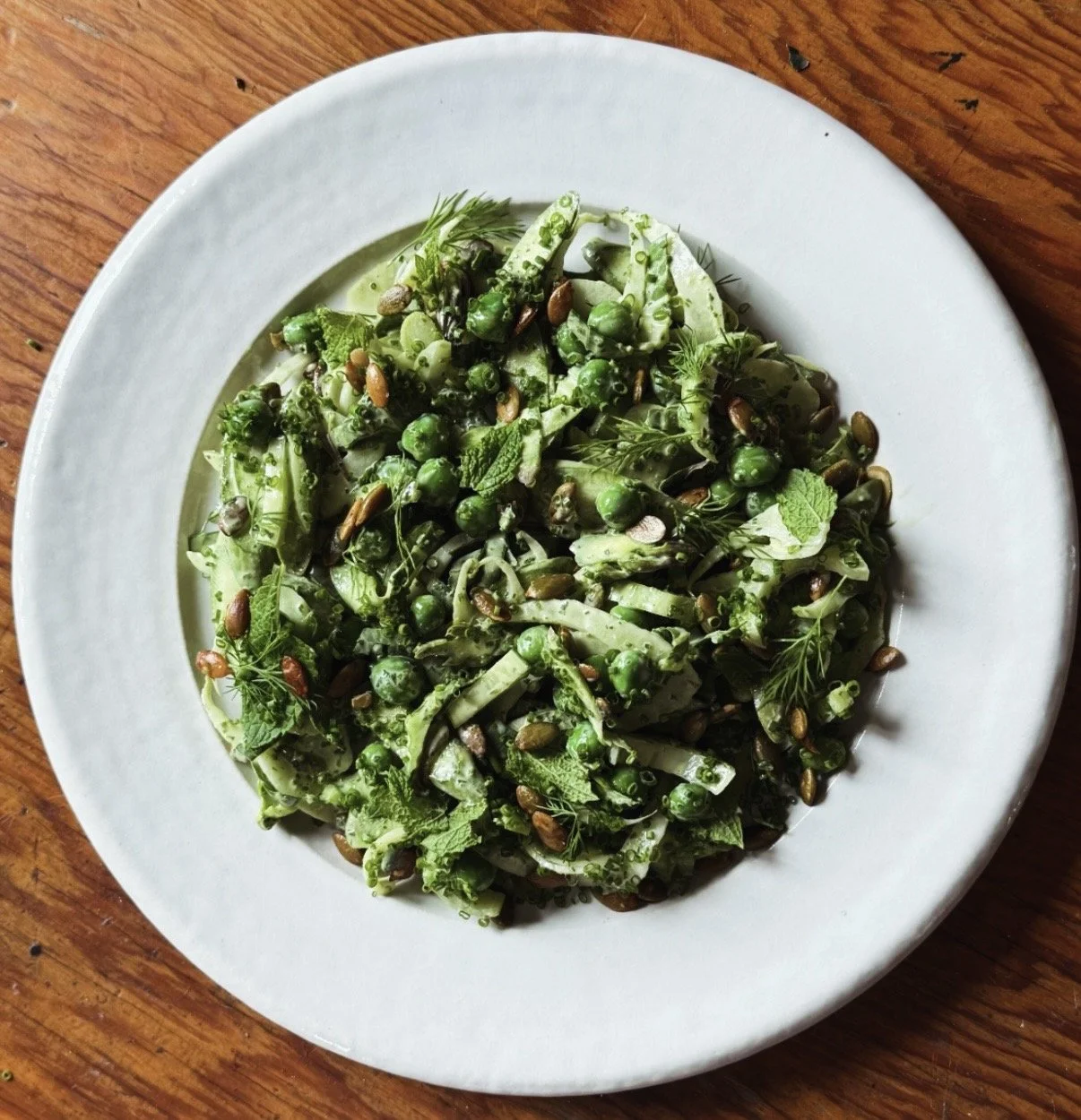
This week we’re spicing and grilling lamb chops and serving them with a fresh snap pea salad, lime yogurt, and pistachios. The acidity of the lime yogurt punches through the richness of the lamb chops and also helps dress the snap peas on the plate (we avoid adding acid beforehand because it dulls their verdant green color).
We tend to focus on culinary benefits, but in the case of cultured dairy, it’s worth considering shelf life and digestibility. Culturing increases both. Something about probiotics and whatnot (kidding…someday I’ll write a whole series on lacto-fermentation). Speaking of culturing, what about cheese?! As a Minnesotan, I consider cheese sacred, enshrined in an independent category. We’ll get there, one week at a time.
We’re glad you’re cooking with us.
Cheers,
Sten and Mac
EXPLORE MORE