Halibut with Chickpeas & Cherry Tomatoes
This recipe is packed with herb, brine, and citrus flavors. Halibut has a mild, sweet flavor and firm texture that holds up well in a potent, saucy dish.
Serves 4
INGREDIENTS
For the halibut
4 (6-ounce) halibut fillets, skin and bones removed
For the roasted chickpeas and tomatoes
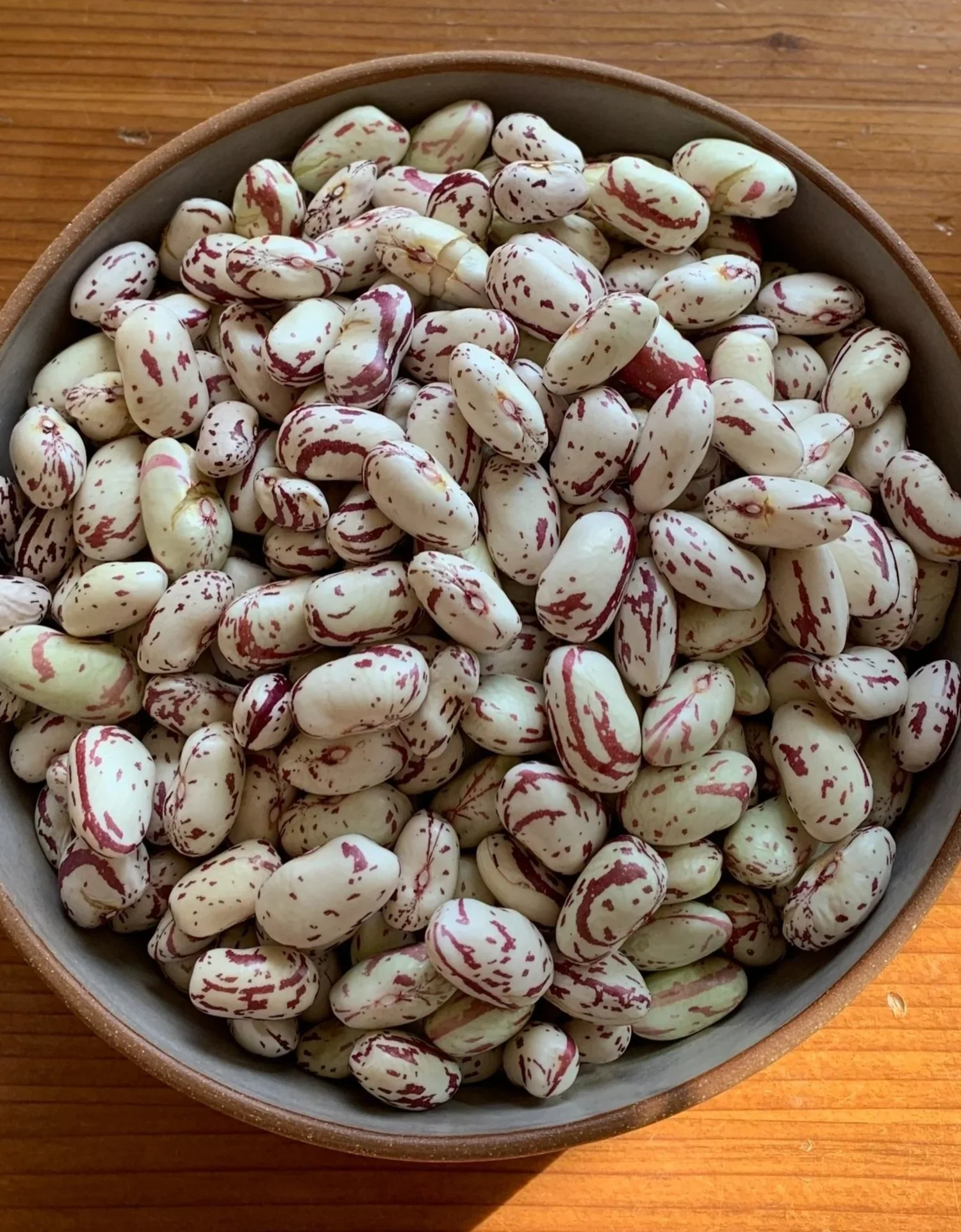
2 (14-ounce) cans chickpeas, well drained
1 ½ pounds cherry tomatoes, rinsed
3 garlic cloves, thinly sliced
1 fresno chili, thinly sliced
1 tablespoon olive oil
For the olive-herb sauce
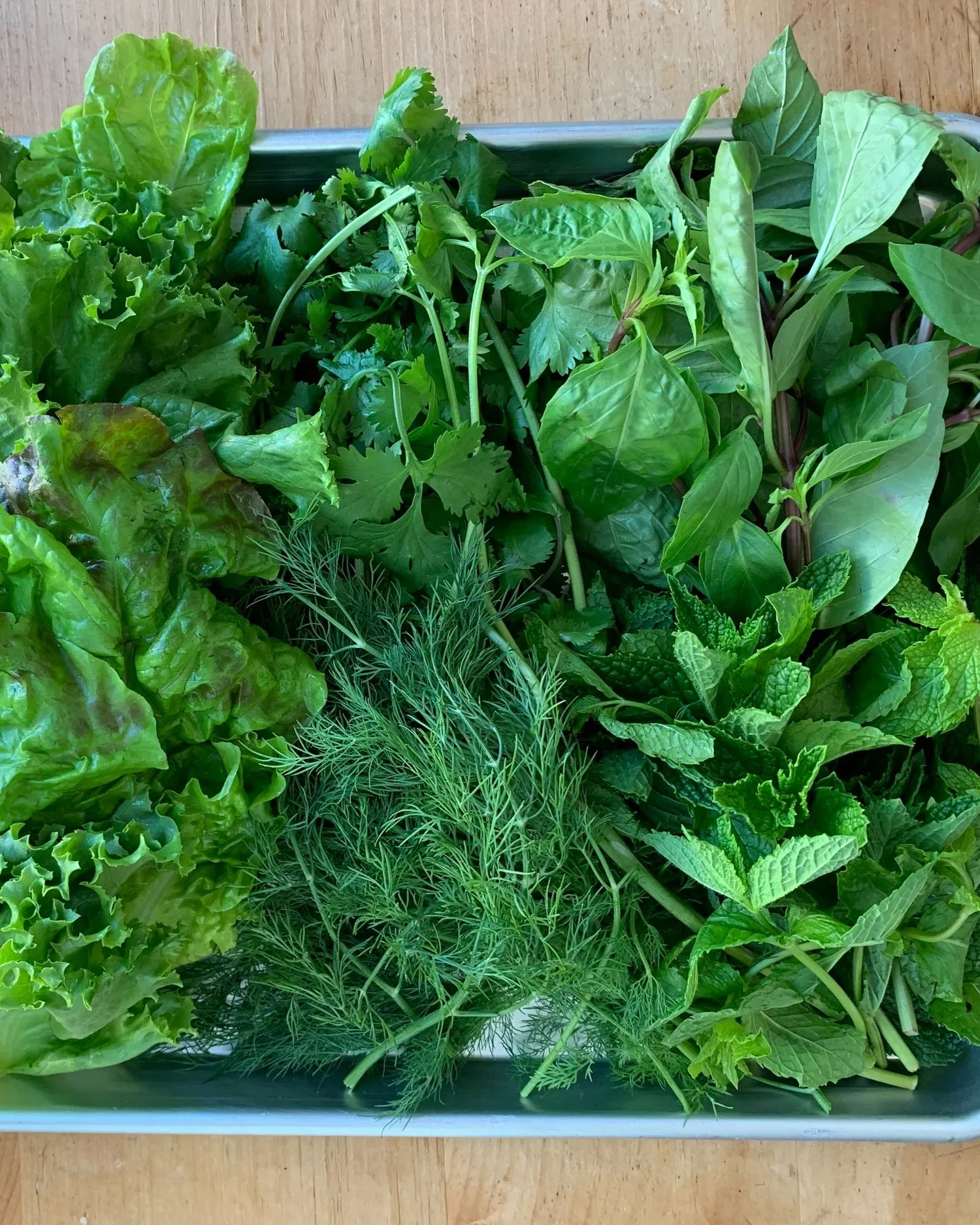
1 bunch cilantro, leaves and tender stems only
½ bunch parsley, leaves and tender stems only
⅓ cup olive oil
¼ cup green olives, pitted and roughly chopped
2 preserved lemons, minced (see note)
1 garlic clove, minced
1 lemon, juice
To serve
Cilantro and/or parsley, picked leaves
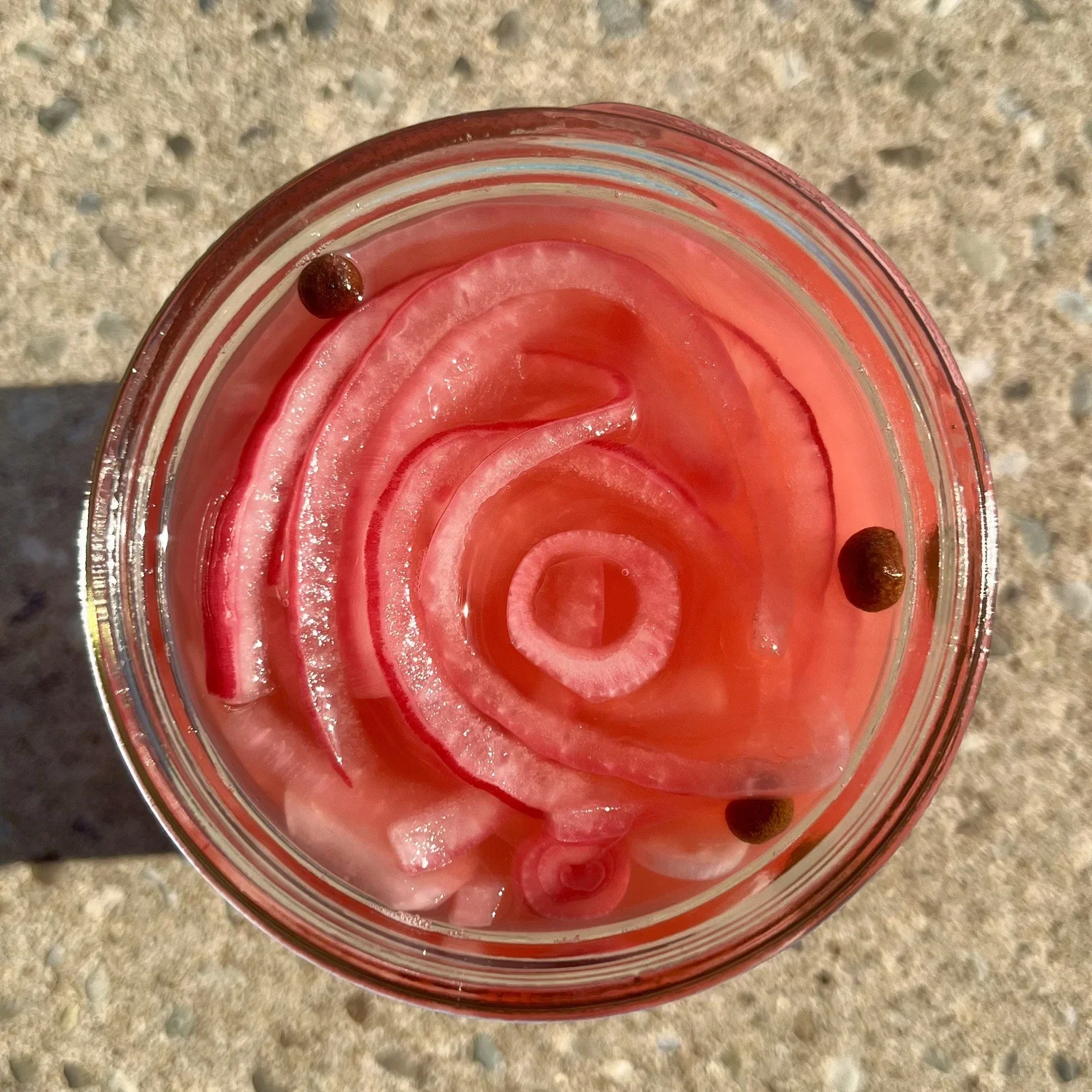
Pickled red onions, store-bought or homemade (sub pickled chilis)
METHOD
Preheat the oven to 425°F with the fan on.
Roast the veggies. On a parchment-lined sheet pan, toss your chickpeas, tomatoes, garlic, and chili with the olive oil, along with salt and black pepper, to taste. Roast for 15 minutes (at which point we’ll add the halibut).
Make the olive-herb sauce. While the veggies are roasting, mince the cilantro and parsley. In a mixing bowl, stir together all the sauce ingredients. Allow the mixture to sit for a few minutes, then taste for seasoning and adjust. Be careful when adding salt because the olives and preserved lemon are already salty - they provide most of the seasoning.
Roast the halibut. Reduce the oven temperature to 325°F. Clear some space amongst the roasted veggies so you can add the halibut fillets to the sheet pan. Roll the halibut around in the oil and tomato juice that has pooled on the pan. Season with salt. Return the whole pan to the oven and roast until the internal temperature of the fish reaches 130°F (about 8 minutes).
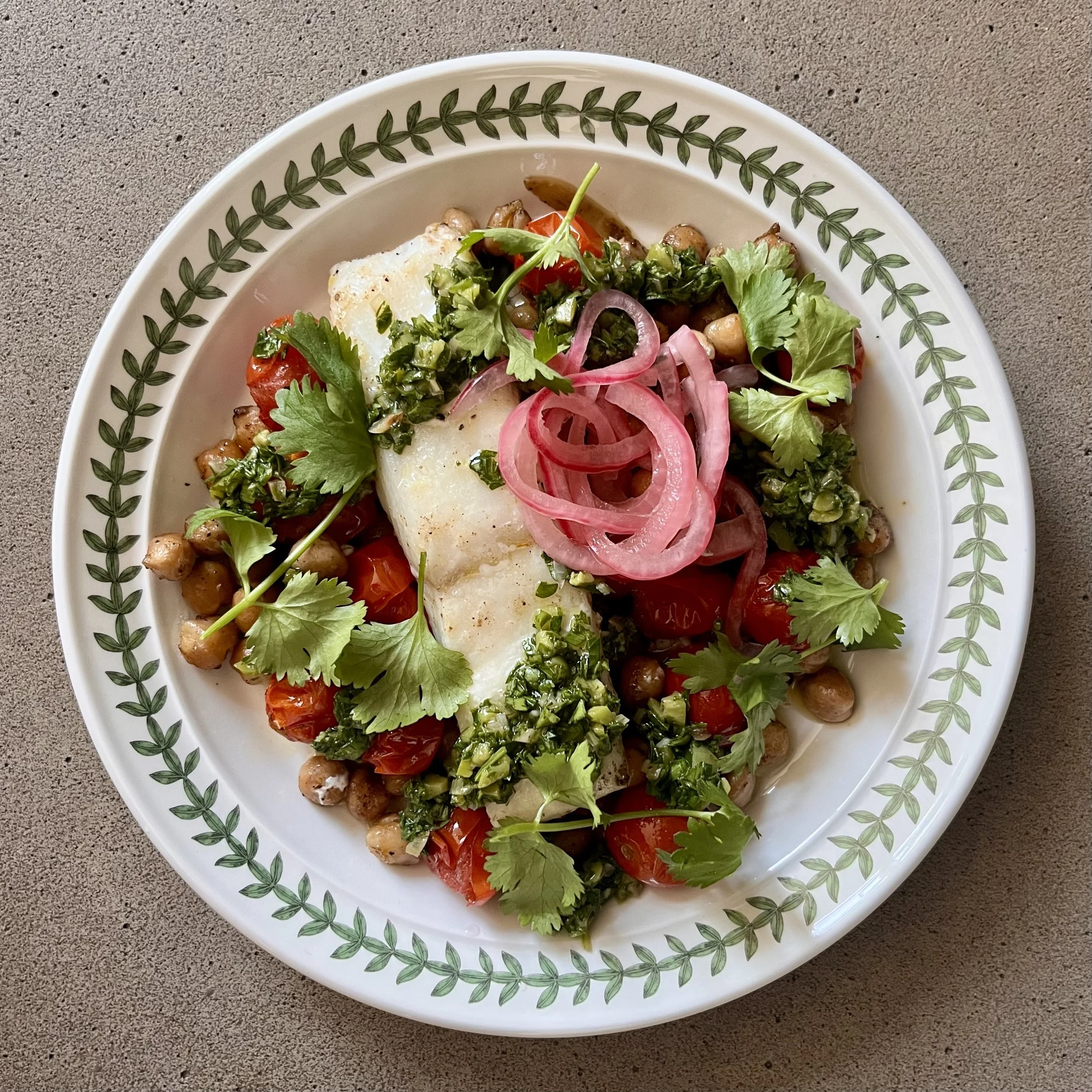
Plate. Heap a big spoonful of the chickpea and tomato mixture on a plate. Top with a piece of halibut and a generous spoonful of olive-herb sauce. Garnish with picked herbs and pickled red onions.
Note: Preserved lemons are regular lemons that have been packed in salt (salt + time). The salt softens the rind and preserves the lemon. A staple in North African and Middle Eastern cuisine, preserved lemons lend a salty, citrusy punch to sauces, salads, and braised meats. Note that you only use the rind. To prepare, remove the flesh of the lemon and mince the rind. For 1 preserved lemon, you can sub the zest of 1 fresh lemon and a pinch of salt, but it won’t have quite the same umami presence.
FURTHER READING