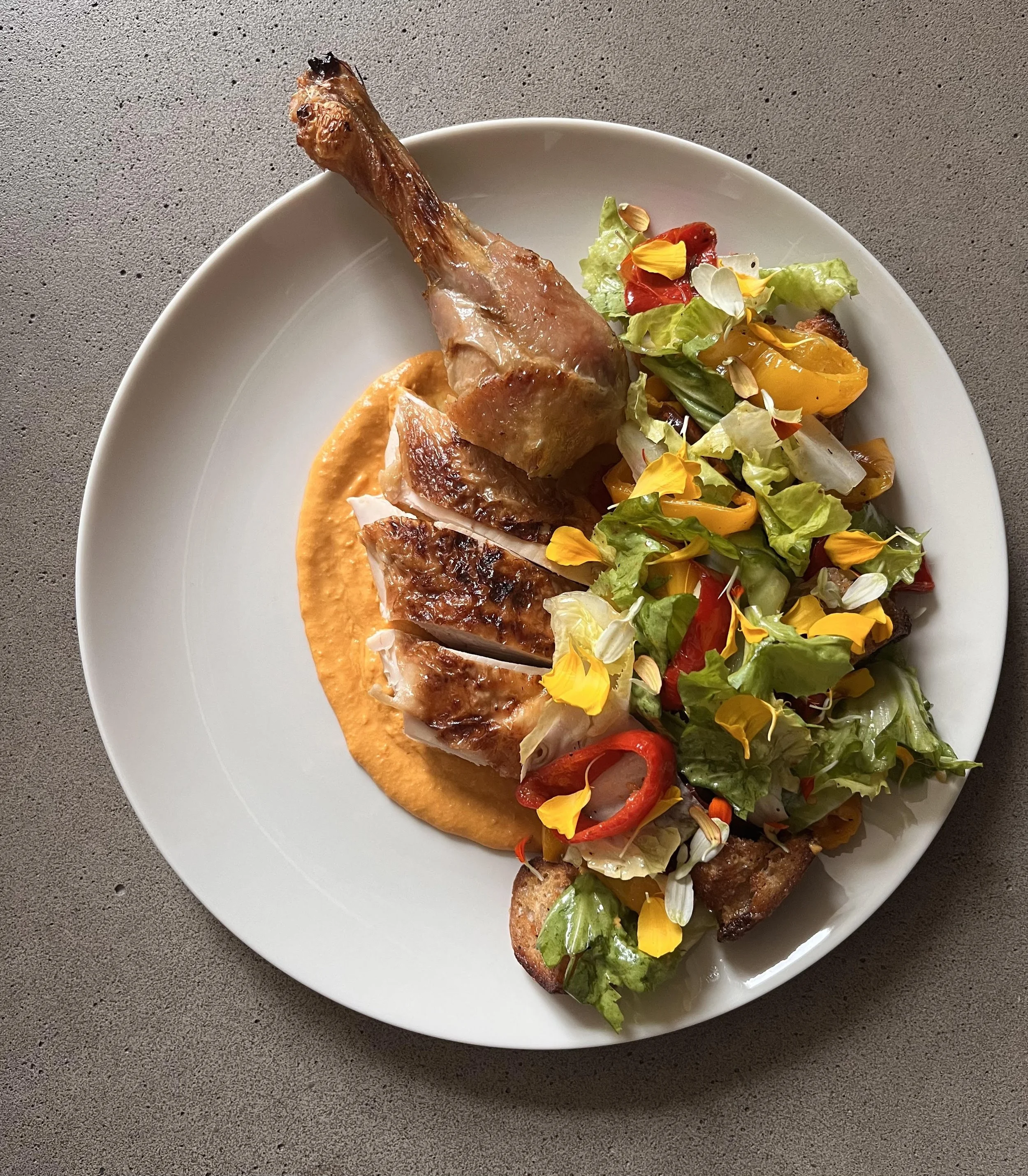
We didn’t cook much chicken at the restaurant. This is often true of seasonal, farm-to-table establishments. Though one time we did roast a whole bird and serve the quarters with butter beans, sesame mayo, and charred greens, which turned out to be a very satisfying spring dish. Chicken as food suffers from its own chicken-or-the-egg situation: it’s difficult to elevate because it has a reputation as unelevated.
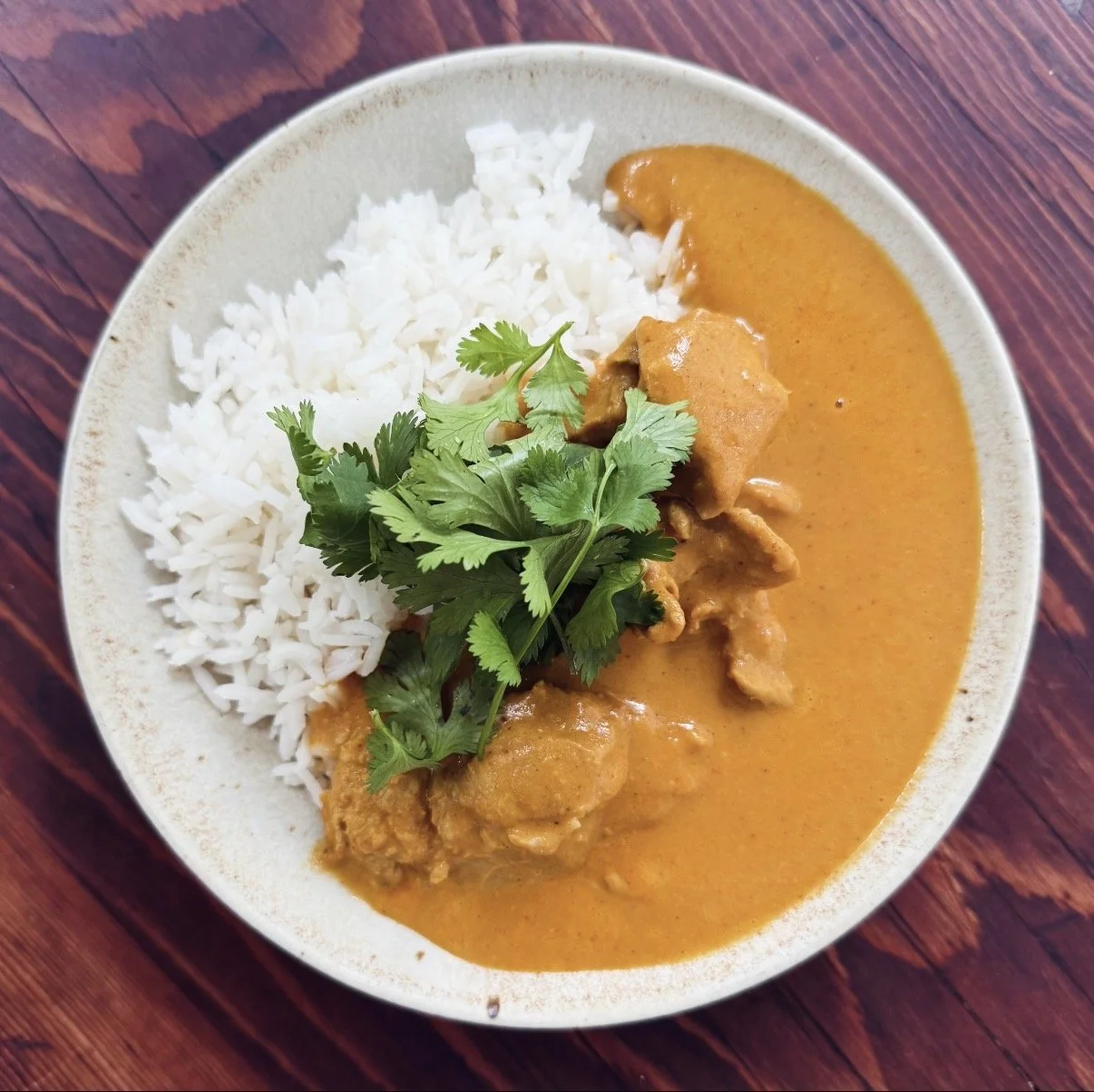
Chicken is humble. The thing about humble foods, though, is that so many more cooks have spent so much more time preparing them, across the world and throughout history. Chicken may lack the complexity of beef, pork, or even duck. But limitation is the mother of invention. It’s a blank canvas for bold spices, crispy crusts, and tangy sauces, as so many boss grannies and street vendors of the world have proven.
Not to mention that when the western world order collapses (which may happen much sooner than I thought ten years ago) and we all return to some form of homesteading and foraging, chicken will be our primary source of animal protein beyond wild game. Mostly the eggs, that is, but sometimes you’ve gotta kill some roosters.
There are many ways to prepare chicken. As I said last week, I’ve been channeling Ottolenghi’s Jerusalem lately, and it has several chicken dishes I want to try. Still, it’s good to have a few go-to methods, and these are mine for preparing breasts, thighs, and whole birds.
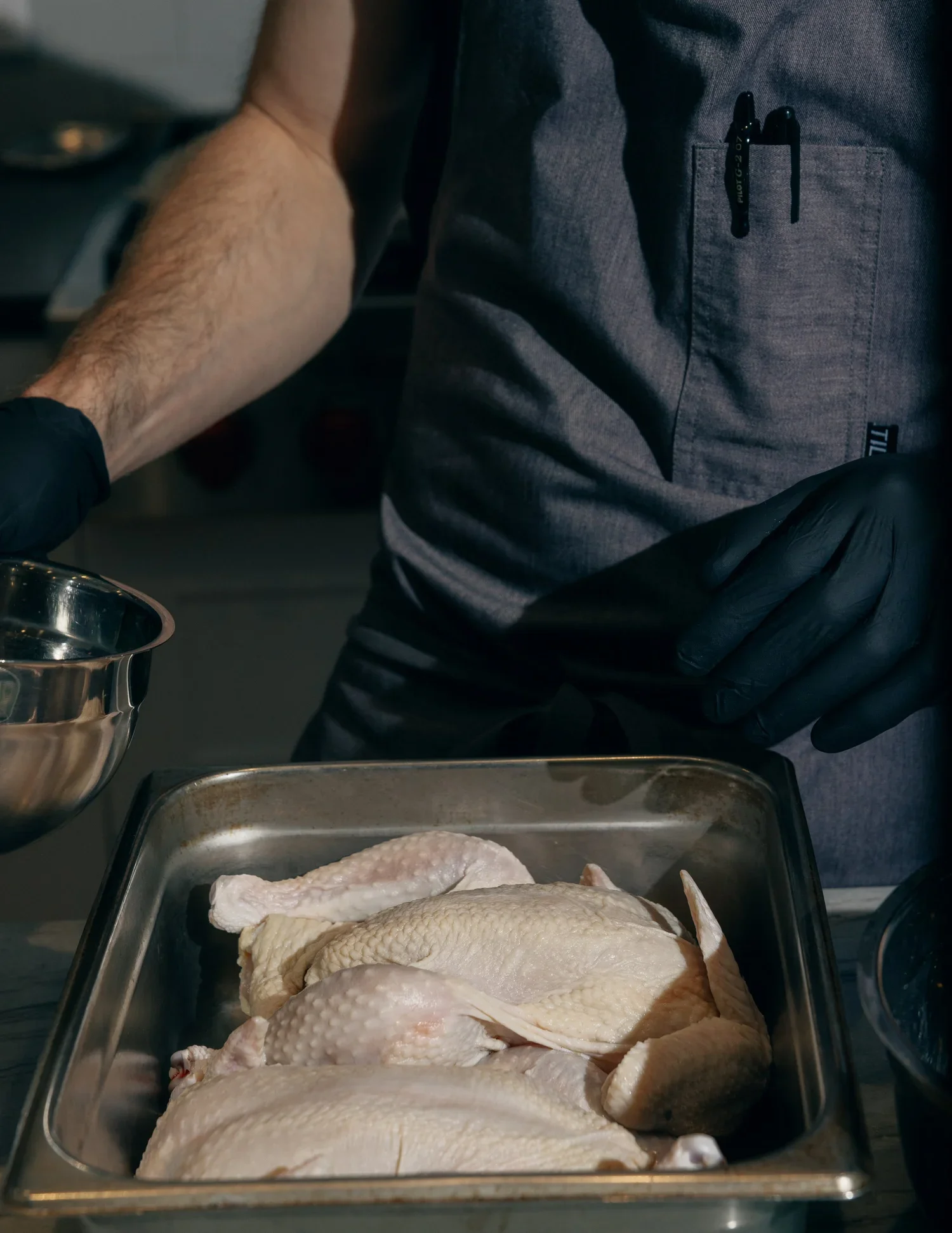
Breasts require gentle heat. Chicken breasts are lean, so they’re prone to drying out. The simplest way to prepare them is a quick sear followed by roasting in a low oven. If you can dry-brine them beforehand and finish by basting with butter, that’s absolute perfection.
Dry-brine the breasts for as much time as you have available, up to about 16 hours (much longer and you’ll end up semi-curing them into chicken breast prosciutto). Preheat the oven to 300°F. Heat some oil on medium-high heat in your heaviest oven-safe skillet. Sear the chicken, flip it, and move the pan to the oven. When the internal temperature reaches 145-150°F (10-12 minutes, depending on the size), remove the pan from the oven and toss in a big knob of butter. Let it melt and use a spoon to baste the meat. The hot butter will keep the meat cooking gently. Continue basting until the internal temperature reaches 155°F. (If your skillet doesn’t retain enough heat and the butter isn’t quite hot enough, you can always put the pan back in the oven for a couple minutes.)
Thighs need to get hotter. And they love a good char. Luckily these things go together. Chicken thighs must reach an internal temperature of at least 175°F for the collagen to break down. Whether they’re bone-in or boneless, whether you marinate them or not (you should marinate them), nothing beats a charcoal grill (or if you’re indoors, then at least a hot broiler).
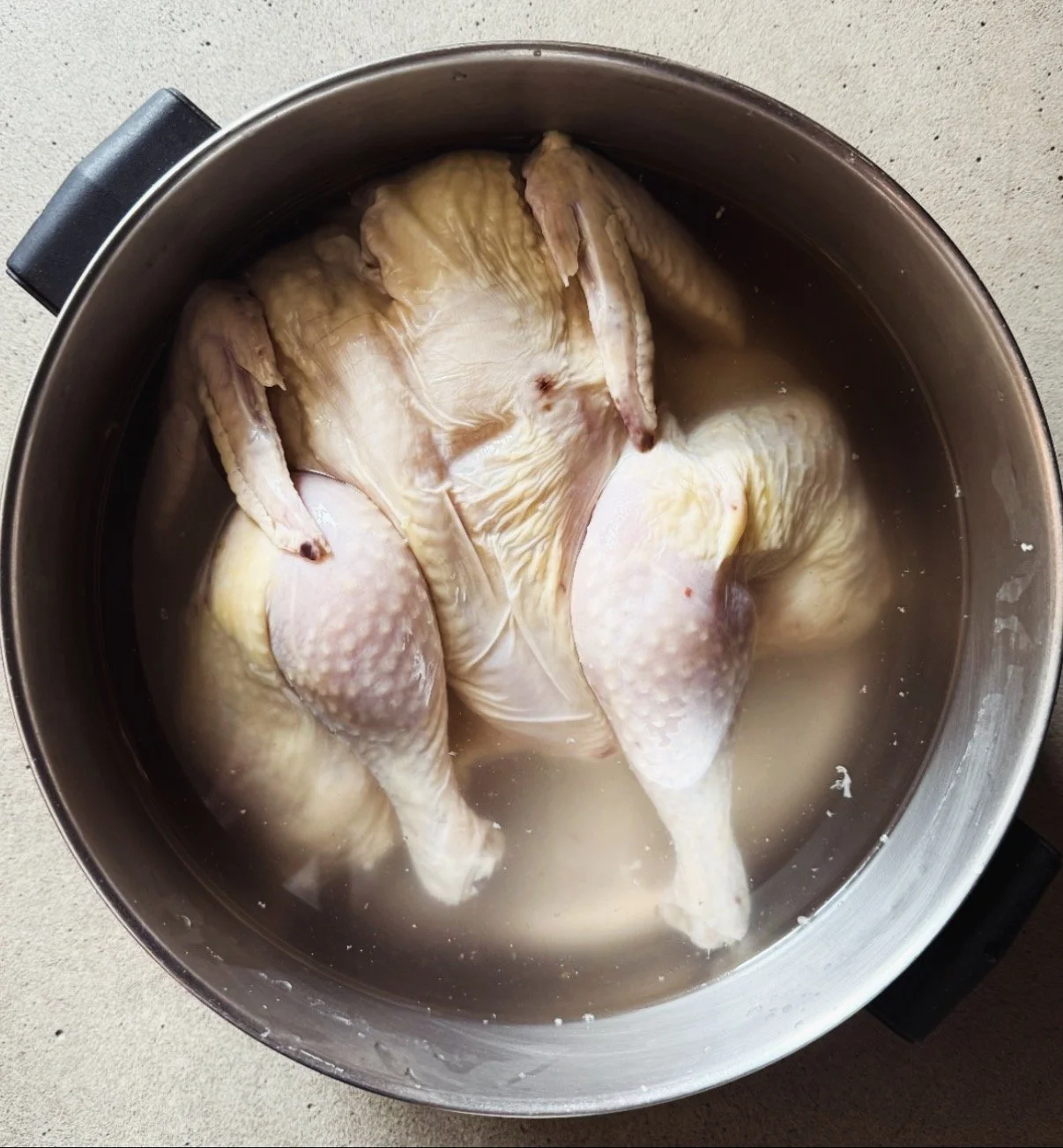
Whole chickens love wet brines. Put the whole chicken in a bucket. Cover it with a 5% salt solution. Put a lid on it and let the bird brine in the fridge overnight. The key to a wet brine is the time after brining. This gives the chicken ample time to dry out so the skin can get crispy. Take the bird off-brine and place it on a wire rack on a sheet pan. Return it to the fridge for at least an hour or, ideally, overnight. This process is a bit tedious (2 days), but this time is almost entirely inactive. There’s no better way to ensure a juicy and tender result. (Take the time. Do it right.)
Roast the bird for about an hour, starting high (425°F) to crisp the skin, and then lowering it (350°F) about halfway through. The bird is done when the breasts reach an internal temperature of 155°F and the thighs reach 175°F.
We’re glad you’re cooking with us.
Cheers,
Sten and Mac
EXPLORE MORE