Braising
With braising the work is upfront. After that you’re coasting downhill. Braising is a great method for cooking cheaper, tougher cuts of meat - the well-used muscles with more connective tissue. It takes hours for collagen to break down and tenderize.
Braising is cooking food in a small amount of flavored liquid at a low temperature.
Partially submerged. The liquid level is what distinguishes braising from stewing or poaching. With braising, the food benefits from both wet and dry heat. The submerged part retains moisture while the exposed part develops an umami-boosting golden brown crust.
Braise big foods. Whole cuts, whole vegetables, big sections, things that won’t easily dry out. Turn the food at least once during the process so the exposed part doesn’t toughen up and the submerged part gets a chance to caramelize.
Acidified liquid. Many classic braises call for meat or chicken stock and the addition of an acidic element. Wine, tomatoes, vinegar, or citrus. Acid helps break down proteins and adds balance to the final sauce. You can braise with just broth, but the result will be less compelling.
Low and slow. 275°F max. If you have the time, aim for 250°F or lower. The food is done when it’s fork tender. Small beets might be done in an hour. Beef usually takes 3-4 hours.
Once you put the braise in the oven, the coasting begins. It’s not quite a set-it-and-forget-it situation (check the food every hour or so), but braising is a pretty forgiving method.
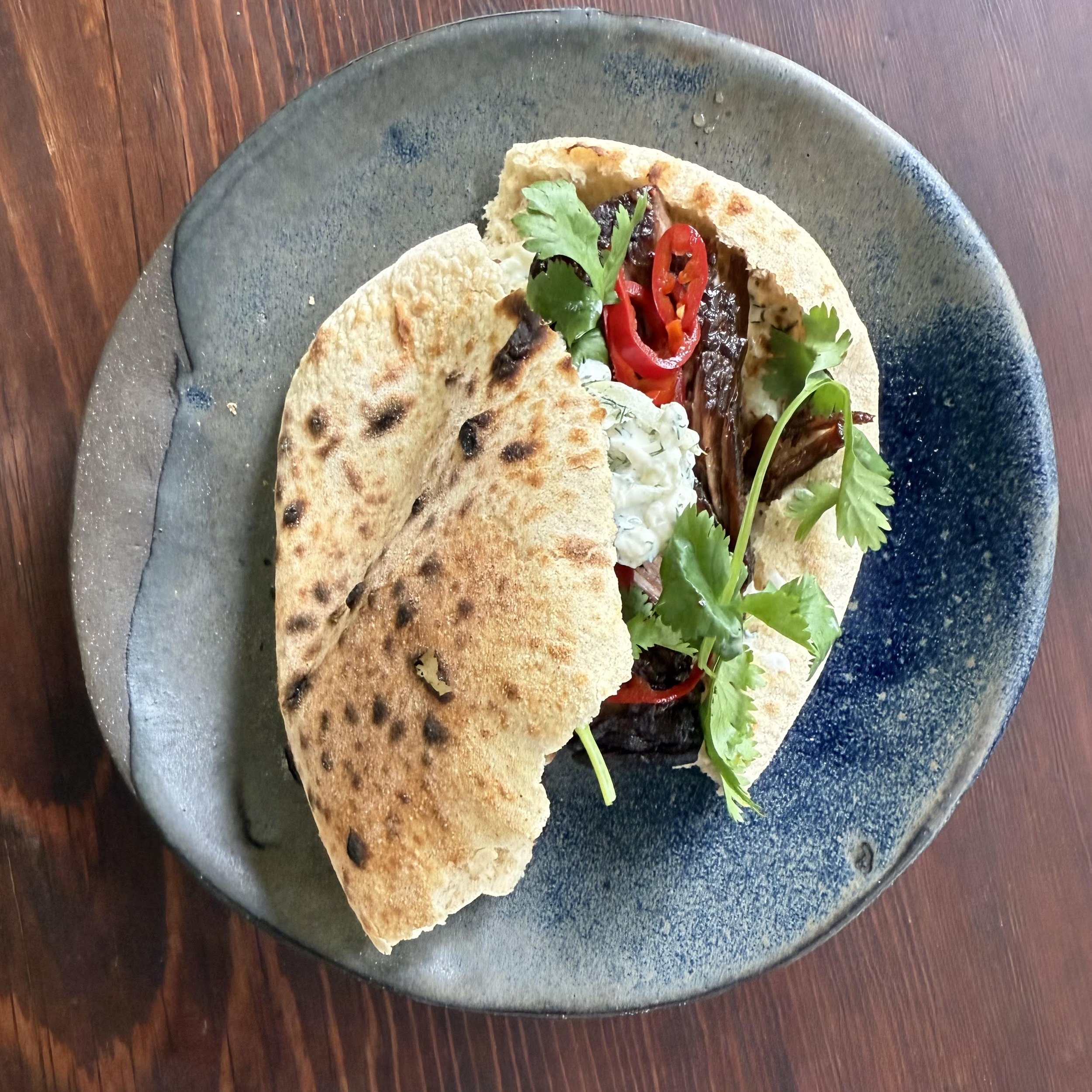
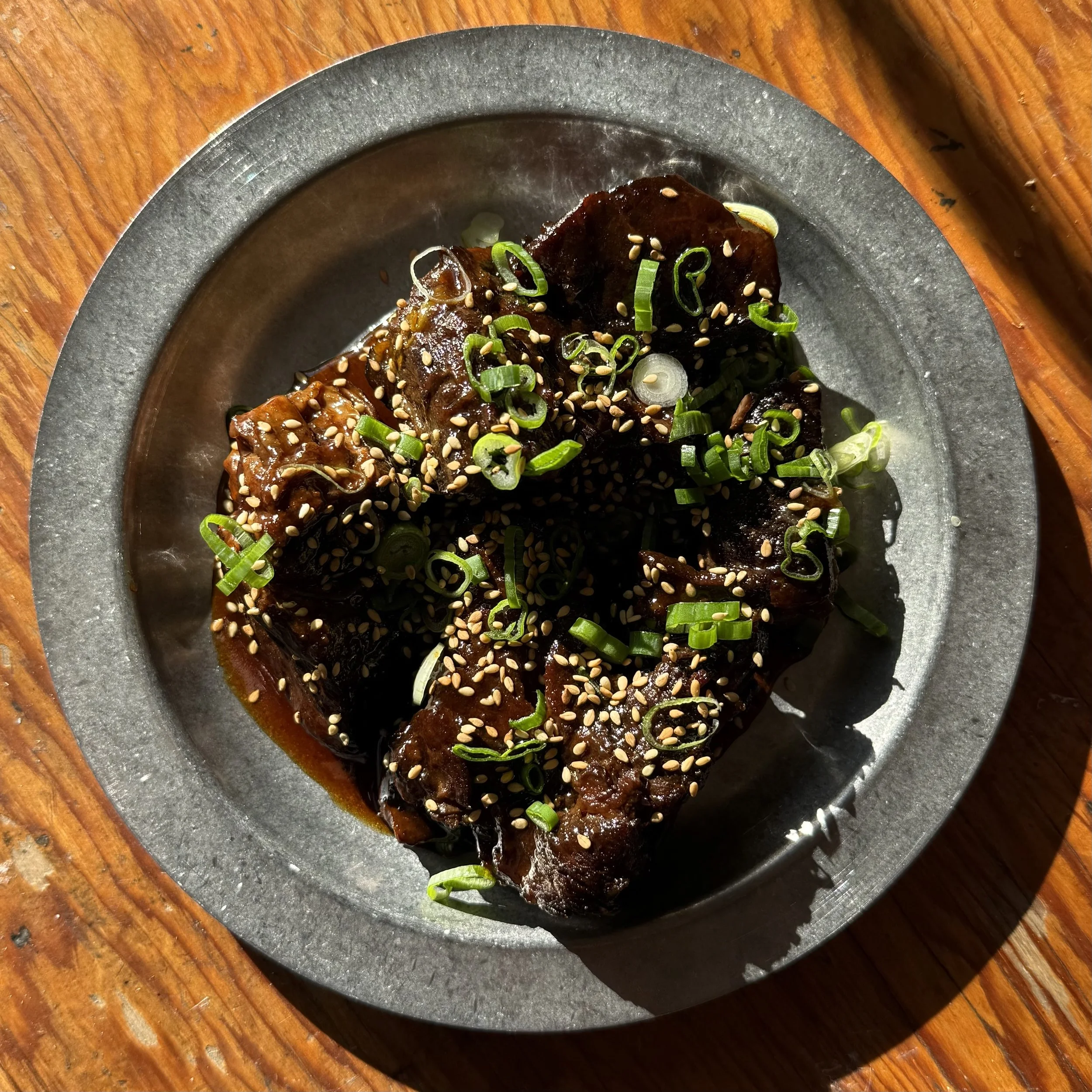
A finished braise is a starting point. Freeze some for later. Make soup (it’s a breeze when your past self already did half the work). Make any sandwich. This week we’re making braised beef flatbreads with kohlrabi tzatziki and pickled red onion. There’s nothing quite like slow cooked meat on a chilly winter evening.
We’re glad you’re cooking with us.
Cheers,
Sten and Mac
KITCHEN TIP
Add salt last whenever possible. As things cook, water evaporates and flavors concentrate. Salting too early runs the risk of oversalting the finished product. In fact, it’s often better to err on the side of undersalting and instead finish your dish with a sprinkle of fancy flake salt.
Salting at the end isn’t always possible. When braising, for instance, you need to season the meat upfront before you sear it. When the meat is done, you can strain and reduce the braising liquid to make a sauce. Since it’s already been salted, just be extra careful.
RELATED RECIPES